

Introduction
The most common hormone problem encountered in dogs is hypothyroidism. It results when the thyroid gland does not secrete an adequate quantity of thyroid hormone called thyroxine. Many internal organs are affected, and the resulting problem depends on which organs are most affected.
Cats do not get this problem, but get an opposite problem called hyperthyroidism. Their problem involves excess thyroxine and its effect on the internal organs.
What is Hypothyroidism?
This is a disease where the thyroid gland does not produce enough of the thyroid hormone called thyroxine.
Anatomy
The thyroid gland is a small gland located at the throat, near what might be termed in people the “adam’s apple”. It has two lobes, and can be felt with careful palpation.
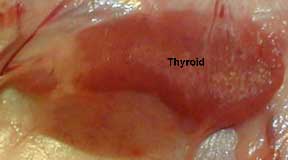
In this view of the thyroid gland you can also see the yellow colored parathyroid gland at the far left and the lymph node underneath
Physiology
The role of the thyroid gland is to take iodine and convert it into the two main thyroid hormones; thyroxine (T4) and triiodothyronine (T3). T4 and T3 then circulate through the bloodstream and affect the metabolism of every cell in the body.
To control the level of these hormones the hypothalamus and pituitary secrete compounds called releasing factors. In the case of the thyroid gland, they secrete a releasing factor called thyroid stimulating hormone (TSH).
It is the amount of TSH circulating in the blood stream that tells the thyroid gland how much thyroxine to secrete. In a very refined feedback mechanism between the hypothalamus, pituitary, and thyroid gland, the cells of the body get just the right amount of T4 and T3.
Thyroxine circulates throughout the bloodstream and affects almost all organs. It plays a major role in controlling metabolism, and is needed for growth.
Causes of Canine Hypothyroidism
Primary (naturally occurring)
Primary hypothyroidism accounts for almost every case. It has 2 main causes:
Lymphocytic thyroiditis
This cause, also known as autoimmune thyroiditis, occurs when the body makes antibodies against the thyroid gland. This effectively destroys part of it, so it has less thyroxine to secrete into the bloodstream. It is one of the most common causes of primary hypothyroidism.
This cause of hypothyroidism can start early in life. Symptoms will appear when it progresses to the point that the reserve power of the thyroid gland is affected.
Idiopathic
In this form we do not know the cause, which is why it is called idiopathic.
Secondary
Secondary hypothyroidism accounts for only a small percentage of cases. It arises when there is a lack of TSH, or secondary to some medications or diseases.
Miscellaneous
There are other causes of hypothyroidism that are encountered only rarely.
Symptoms of Hypothyroidism in Dogs
Thyroxine affects many internal organs, so a deficiency can have various symptoms. Classic symptoms include mental dullness, lethargy, obesity, and heat seeking behavior, although many hypothyroid dogs do not have any of these symptoms.
Early diagnosis of hypothyroidism is beneficial because a dog can have this disease and not show any symptoms for many years. In every disease we treat, the sooner we start the better-this applies particularly to hypothyroidism.
Integumentary System
This is the most common manifestation of hypothyroidism. Typical skin symptoms include symmetrical hair loss (alopecia) along the trunk, although the hair loss is not consistently symmetrical. The hair coat is thin and dull, the hair easily falls out, it grows back slowly, and shedding occurs more often. Sometimes the hair coat resembles that of a puppy. Alopecia, if it occurs, is more common at pressure points and the tail.
The skin might be cool to the touch and be darker (hyperpigmentation) than normal. A leathery feel called lichenification might also exist. Hyperpigmentation and lichenification usually occur when the problem has been long-standing. Also, the skin might be greasy due to seborrhea, and inflamed due to secondary bacterial or fungal infections. These secondary complications might cause excess scratching (pruritus) and odor.
They skin lesions present in hypothyroidism mimic those in other skin conditions, especially allergies. You cannot tell them apart most times without diagnostic tests.
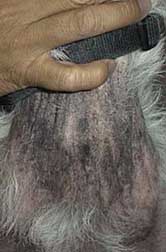
This terrier has hyperpigmentation on its neck. Hypothyroidism is not the only potential cause of this condition
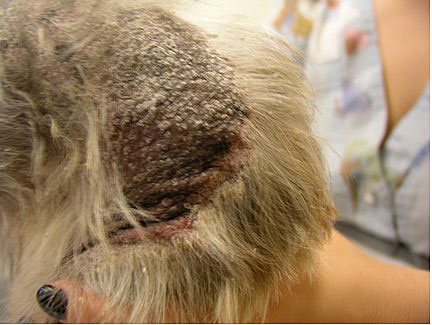
This dog with thickened skin might have hypothyroidism
The ears can be affected, resulting in hair loss, inflammation and infections.
Neurologic System
Neurologic signs might be seen. They include dullness, mood swings, muscle wasting on the head, facial paralysis, head tilt, disorientation, muscle weakness or paralysis, and lameness. On very rare occasions there will be seizures and coma. Two specific diseases associated with hypothyroidism are megaesophagus and laryngeal paralysis. A loss of smell and taste are also possible.
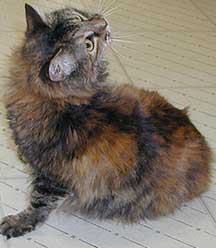
This is a severe head tilt in a cat. There are numerous other causes to head tilt, most of them are more likely than hypothyroidism.
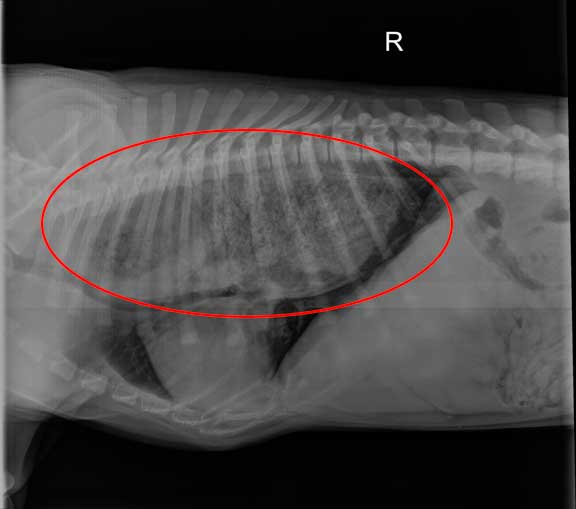
This is a radiograph of a dog with megaesophagus. Food that cannot pass through the esophagus and into the stomach is circled.
Ocular System
The cornea might undergo fat (lipid) deposits or become ulcerated. Changes with adequate tear production along with internal structures of the eye could occur. When a dog does not produce enough tears to keep the cornea moist it develops a disease called keratitis sicca. A tenacious discharge adheres to the eye and makes it susceptible to many problems.
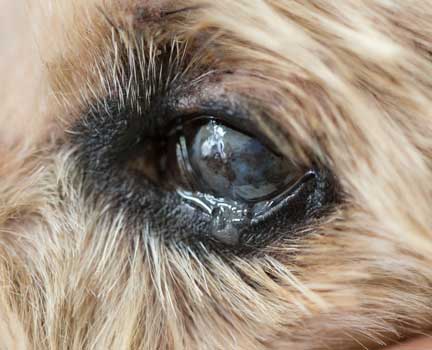
This is typical of that discharge in an eye with a pigmented cornea and pigmented and thickened eyelids
Gastrointestinal System
Diarrhea, constipation and vomiting, if they occur, could occur in hypothyroid dogs.
Cardiovascular System
Abnormalities in heart strength, rate and rhythm, along with atherosclerosis, could occur with hypothyroidism.
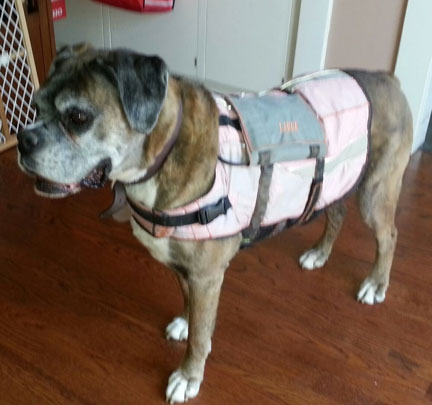
Our EKG is computerized and is read by our cardiologist Dr. Fred Brewer
A Holter counter is used to monitor the heart rate and rhythm over 24 hours so as not to miss any short arrhythmia episodes
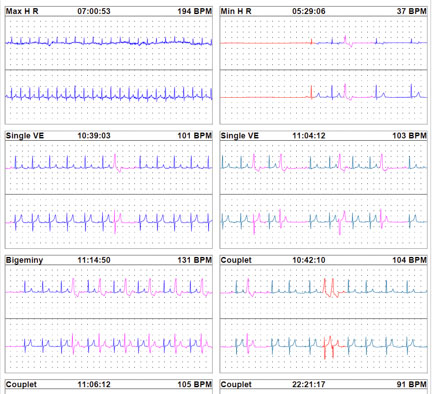
This is the report we get 24 hours later
There is a lot to cardiology when it comes to a hormone problem like hypothyroidism. Our heart page has the details.
Immune System
Inadequate thyroxine makes the immune system less effective at fighting infections, especially the bacterial skin infections (pyoderma) that occur secondarily. Suppression of the immune system might even increase susceptibility to demodex.
Hematologic System
Anemia is the most noted symptom. anemia is not a disease but a sign of disease. It occurs when the red blood cells are low. There might also be a bleeding tendency, low white blood cells from bone marrow suppression, and low platelets.

This blood sample shows three different tests on a CBC that check for anemia. All three are low.
RBC- red blood cell count
HGB- Hemoglobin level
HCT- hematocrit
Reproductive System
Breeding dogs might have abnormal heat cycles, infertility, and high puppy mortality. Testicular atrophy and low sperm, or no sperm.
Endocrine System
In addition to low thyroxine, hypothyroidism is implicated in sugar diabetes (diabetes mellitus) and Addison’s disease (hypoadrenocorticism).
Musculoskeletal System
Thyroxine is essential for the development of bones in young animals.

The arrow point to growth plates, areas of bone growth that allow the bones to grow longer. The top arrow points to the end of the thigh (femur) bone, the bottom arrow points to the beginning of the shin (tibia) bone.
Diagnosis
Due to the vast number of organs influenced by thyroxine, and the fact that many skin conditions have similar symptoms, numerous diseases have to be kept in mind when making a diagnosis. These include Cushing’s disease, skin allergies, sarcoptic mange, demodectic mange, and Ringworm.
A thorough approach is needed for a correct diagnosis of hypothyroidism. In every disease we encounter we follow the tenet’s of the diagnostic approach to ensure that we make an accurate diagnosis and that we do not overlook some of the diseases that are also encountered in pets as they age.
Signalment
Hypothyroidism can occur at any age, although it tends to be a problem that affects middle aged and older dogs, especially the larger breeds.
Several canine breeds are prone to getting hypothyroidism. :
- Chow
- Great Dane
- Irish wolfhound
- Cocker spaniel
- Golden Retriever
- Poodle
- English bulldog
- Schnauzer
- Boxer
- Dachshund
- German Shepherd
- Doberman Pinscher
- Borzoi
- Irish Setter
- Old English Sheepdog
- Miniature Schnauzer
- Airedale terrier
Females and males get it at about the same frequency, neutered pets might be at higher risk of hypothyroidism.
Our Breed Predispositions page has information on common diseases in many breeds in addition to low thyroid. You will find them in our Learning Center on the main menu headings.
History
Hypothyroidism disease is suspected in any pet that has some of the symptoms described above, particularly the skin symptoms. It is important to remember that some dogs do not show any symptoms early in the course of the disease. This is another reason for yearly exams and blood sample with thyroid test in dogs and cats 8 years of age or more.
Other findings include skin infections that recur after antibiotic therapy is stopped.
Physical Exam
Routine physical exam findings might include:
Slow heart rate or abnormal heart rhythm (arrhythmia)
Body temperature might be lower than normal (hypothermia)
Pale mucous membranes due to anemia
Enlarged lymph nodes due to secondary bacterial infections
Alopecia that is symmetrical
Skin conditions in general
Diagnostic Tests
There is no one test that definitively diagnoses hypothyroidism, save for a thyroid biopsy.
Blood Panel
A CBC (complete blood cell) and biochemistry panel should be run on every dog 8 years of age or more, especially if they have any of the symptoms of hypothyroidism. The CBC might show anemia or an elevated WBC (white blood cell count). The anemia is due to thyroxine’s direct effect on red blood cell production, the elevated white blood cell count (leukocytosis) is due to secondary bacterial infection.
The biochemistry panel might show an elevated cholesterol. Diet can influence this test, along with how long after a meal was the blood sample for this test obtained. To be accurate there should be a 12 hour fast when assessing cholesterol levels.
Liver tests might also be elevated, presumably from fatty changes that occur in the liver due to abnormal metabolism.

The biochemistry panel is comprehensive. This high cholesterol alerts us to keep hypothyroidism in our tentative diagnosis list. This dog also has high liver enzymes and a low sodium/potassium ratio, which could indicate primary liver disease or Addison’s disease.
Thyroid Test
Many factors affect the level of thyroxine that circulates in the bloodstream, including normal fluctuations. As a result, there is no blood sample that definitively makes a diagnosis of hypothyroidism. Over the years many different test have been developed to help us detect adequate levels of thyroxine in the bloodstream. Our goal is to diagnose those cases where the problem is not so obvious, and also not to over diagnose this condition.
Our routine blood sample has an add on test called a T4 test. If this test is normal, everything else being equal, a dog probably does not have hypothyroidism.

This dog has a low T4 test, so it might have hypothyroidism, but not necessarily
If the thyroid test is low or low normal, then two main scenarios are possible:
The first scenario is called the sick thyroid syndrome or non-thyroidal illness (NTI). In this situation the thyroid gland is normal, but there are factors that are suppressing it from secreting a normal amount of thyroxine into the bloodstream. These factors include medications like cortisone, valium, anticonvulsants, and sulfa antimicrobials.
Diseases like Cushing’s disease, diabetes mellitus, chronic renal failure, liver disease, and Addison’s disease can also cause NTI. When these factors are corrected, or these diseases are treated, the apparent hypothyroid problem corrects itself. No treatment with supplemental thyroxine is needed.
In the second scenario the thyroid gland is having a problem secreting adequate thyroxine due to one of the causes previously mentioned in the causes section. This is the hypothyroidism we need to treat with supplemental thyroxine.
How do we differentiate between a true hypothyroidism from the sick thyroid syndrome? We have another blood sample that aids us, called the free T4 test by equilibrium dialysis (ED). If this is low, and the signalment, history, and physical exam are consistent with this disease, then a diagnosis of hypothyroidism is made.

This dogs T4 level by equilibrium dialysis is low, so it most likely has hypothyroidism
You might ask why don’t we just run a free T4 by ED on all dogs and not have to run two tests? The regular T4 test is included in our routine blood panel, so the cost is much less than a T4 by ED. In addition, the overwhelming majority of dogs we see at our hospital have a normal T4 test the first time.
Skin Biopsy
Biopsies of the skin can show changes associated with hypothyroidism. These changes can also occur with other skin conditions though, especially those involving the endocrine system.
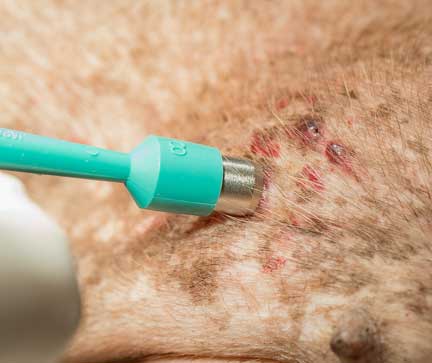
Skin biopsies are easy to obtain under local anesthetic with our special biopsy punch
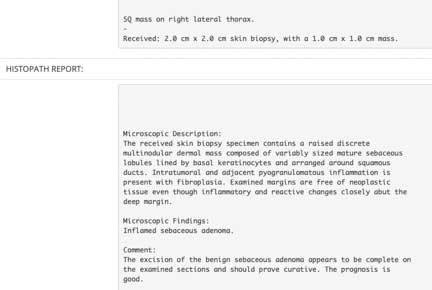
This is the report we get from our pathologist
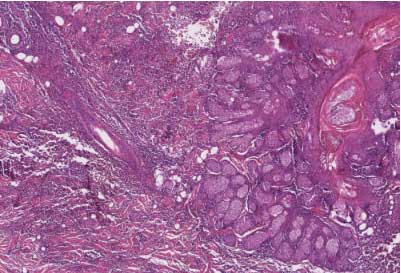
This is what the pathologist sees under the microscope. It is a whole different world, and unless your are extensively trained in this area a picture like this means nothing.
TSH Test
This is the most reliable test to confirm a diagnosis of hypothyroidism. It eliminates some of the variables that suppress thyroxine production by the thyroid gland. Unfortunately, it is difficult to find TSH of animal origin. Human recombinant TSH is a possible replacement, but cost might preclude its use.
Thyroid Biopsy
An actual biopsy of the thyroid gland can be taken. There are many vital structures in the neck near the thyroid gland, so this test has its risks. This test is rarely utilized since there are many other good tests that are not so invasive.
Radioiodine Uptake
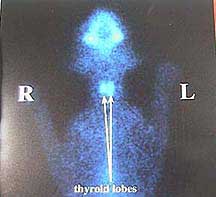
Radioactive Iodine can be used to outline the thyroid. We tend to use this test much more often in feline hyperthyroidism.
Response to Therapy
One of the tenets of the diagnostic process is whether or not a treatment that is instituted actually corrects the problem. This might apply in hypothyroidism, but it might not. In some situations we have no choice but to try supplementation.
We reserve this for cases when the thyroid tests are suspicious (normal but at the low end of the normal range), we find no evidence of other disease processes, and the dog has symptoms consistent with hypothyroidism.
This approach has disadvantages though. Since thyroxine affects metabolism, an increase in metabolic rate due to supplemental thyroxine might correct some of the symptoms encountered, even increasing hair growth. This does not necessarily mean that these symptoms that were consistent with hypothyroidism were actually caused by hypothyroidism. A delay in the correct diagnosis leads to a delay in proper therapy and a worsening prognosis.
Treatment
If a dog has sick thyroid syndrome it is treated by correcting the underlying problem. This might include antibiotics for secondary bacterial infections, or the elimination of drugs like cortisone.
When hypothyroidism is correctly diagnosed, the treatment, called levothyroxine (T4), is continued for life. Levothyroxine has various trade names, including Soloxine® and Synthroid®.
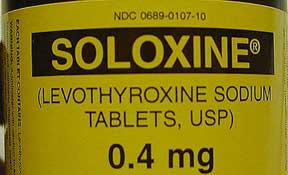
This is the brand we use. It is best to stay away from generic levothyroxine because it is not absorbed as well as the name brand version.
Medication is given every 12 hours. A thyroid level needs to be checked initially at 1 month to make minor adjustments. The thyroid pill should be give 4-6 hours prior to the recheck blood test.
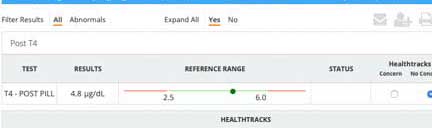
This post pill T4 test is what we want to see after starting treatment. It is from the same dog above that had low T4 and low T4 by E.D.
It is then checked every 6 months in order to refine the dose, because the body does change in the amount of thyroxine released by the thyroid gland. Also, as pets age, their cells vary in their need for thyroxine.
In the first week of treatment many dogs will be more alert and more active. Within one month improvement in problems related to metabolic changes will be noted, and within two months most skin conditions will be improved. If there is no response to therapy within 3 months, and the proper dose and type of levothyroxine are being used, then further diagnostic tests are needed to look for other diseases. It might take 6 months or more for all changes to return to normal.
It is possible to overdose your dog with levothyroxine. Symptoms include excess drinking and urinating, restlessness, and increased appetite. If you suspect this is occurring stop medicating and bring your dog in for an exam. Checking the thyroid level every 6 months will help eliminate this problem.
Pets that have heart disease, diabetes mellitus, or Cushing’s Disease(hypoadrenocorticism), may need altered doses of medicine if they occur concurrently with hypothyroidism. The dose of levothyroxine in these pets, if used at all, needs to be conservative to prevent other problems.
An additional treatment modality is called VNA. It is a non-invasive and non-painful way to stimulate the nervous system to help the thyroid gland heal on its own.
Prevention
Since this disease has a strong genetic component selective breeding can help minimize occurrence. Screening for anti thyroid antibodies in breeding animals can be utilized once they have reached puberty. These antibody tests are sent to special labs at Michigan State University or Cornell University.