

This page discusses Diabetes Mellitus (Sugar Diabetes) in Birds, Dogs, and Cats. This page describing diabetes mellitus (DM) is very thorough, and will require some study if you want to understand it fully. We have a summary page on DM if that suits your needs better than this detailed page.
We use the guidelines of the American Animal Hospital Association (AAHA) to help in treating your dog with DM.
It is all about the blood glucose level, which you will learn about in detail. It is sometimes called the blood sugar level. This level, whatever you want to call it, is measured in milligrams per deciliter, abbreviated as mg/dl.
Sugar diabetes, more correctly know as diabetes mellitus (DM), is a complex disease that is difficult to control. Proper treatment requires a commitment on your part, usually for the life of your pet. It is well worth the effort in most cases because response to treatment is usually quite rewarding.
According to one study diabetes mellitus has seen an 80% increase in the last 15 year, probably due to an increase in obesity in pets.
The goals for the treatment of DM in dogs are as follows:
Minimize the excess drinking and urinating that occurs in all cases of DM
Maintaining a proper body weight
Preventing a problem called Ketoacidosis (much more on this later)
Decreasing the risk for urinary tract infections (UTI’s)
Slowing the development of cataracts
A pet being treated for DM with insulin injections can have a dangerously low blood glucose (sugar), causing it to have a seizure. This low blood glucose is called hypoglycemia. Conversely, a pet with DM that is not being treated can be presented in a state of shock with a bloodstream pH that is causing organ dysfunction. This is called ketoacidosis.
You will learn much more about both of these in this page. Both of these are medical emergencies requiring immediate veterinary care.
The Long Beach Animal Hospital, staffed with emergency vets, is available until the evenings 7 days per week to help if your pet is having any problems, especially seizures, shock, pain, breathing hard, or bleeding.
Think of us as your Long Beach Animal Emergency Center to help when you need us for everything from minor problems to major a major emergency. We serve all of Los Angeles and Orange county with our Animal Emergency Center Long Beach, and are easily accessible to most everyone in southern California via Pacific Coast Hwy or the 405 freeway.
If you have an emergency that can be taken care of by us at the Animal Emergency Hospital Long Beach always call us first (562-434-9966) before coming. This way our veterinarians can advise you on what to do at home and so that our staff and doctor can prepare for your arrival. To learn more please read our Emergency Services page.
There is a different kind of diabetes, called diabetes insipidus, which is not the same disease. In general, when most people say a pet or a person has diabetes, or if they also say sugar diabetes, they are referring to diabetes mellitus (DM).
By definition, DM is a persistent hyperglycemia and glycosuria due to an absolute or relative insulin deficiency. By the time you are done with this page you will understand what all of this means.
You will also learn that some of the parameters of DM in animals are similar to humans, and many parameters are not, so be careful of extrapolating any experience you have between the two.
DM can occur in many different species like birds and Guinea Pigs, although it is most commonly diagnosed in dogs, and especially cats.
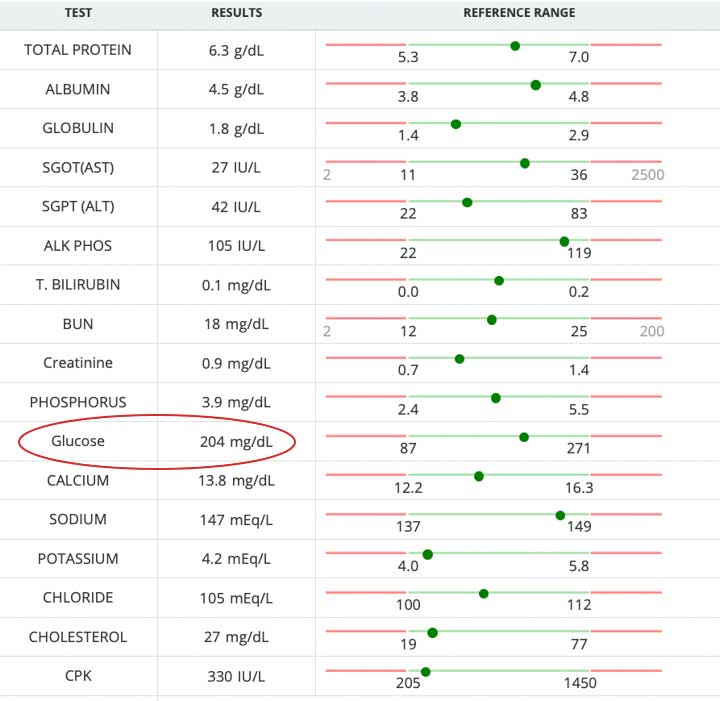
This blood glucose for a rabbit at 204 mg/dl is normal. This would be very high for a human and require immediate treatment
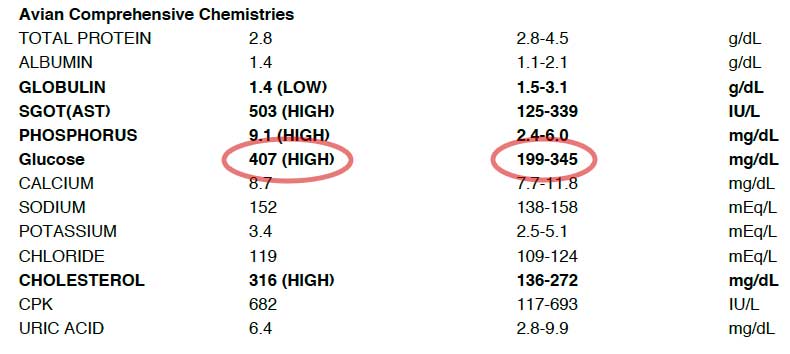
This bird’s blood glucose at 407 is only slightly above normal, and it does not have diabetes mellitus. In a human this would be an extremely high blood glucose (sugar) requiring emergency treatment.
Obesity is a big reason pets get DM. Fat is not just fat, it causes inflammation, leads to the rise of insulin resistance, which means your pet gets DM and does not respond well to insulin treatment.
Other facts influence diabetes mellitus. An important one is dental disease. The infection in the mouth can make it difficult to regulate a diabetic patient. We have a detailed page on dental disease to learn more about this.
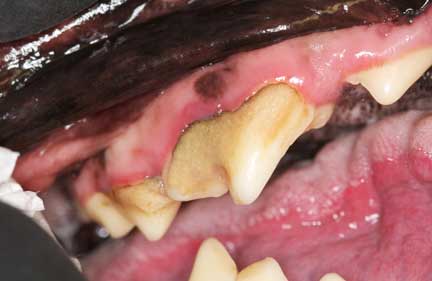
Look at the red gums above the premolar teeth with tartar. This is periodontal disease, a common problem in older pets, and also those with DM. If this is not corrected you will have a difficult time controlling the diabetes in your pet.
Chronic pancreatitis can also predispose your cat to getting diabetes mellitus. We have a page on this (which includes inflammatory bowel disease) to learn more about pancreatitis.
You can go far in preventing DM by keeping your pet at a normal weight, and feeding your cat a food that is higher in protein and lower in carbohydrates. This tends to mean canned cat food over dry if your cat will eat it. Do your best to feed several small meals per day, and have your cat actively look for its food, which is a natural part of its hunting instinct.
Routine exams, that include blood panels and urinalyses that both monitor glucose, are important as your pet ages. Our Geriatric (Senior) pet page discusses this in more detail.
It will help if you learn these medical terms because they will be used on this page:
- euglycemia – normal blood glucose level
- hypoglycemia – low blood glucose level
- hyperglycemia – high blood glucose level
- glycosuria – high glucose in the urine
- ketonuria – ketones in the urine
- polyphagia – excess appetite
- polyuria – excess urinating
- polydypsia – excess drinking
- PU/PD – polyuria and polydypsia
- DKA – diabetic ketoacidosis
Our overall goal is to diagnose it early enough to start your pet on insulin before irreversible changes occur. If we do, we can oftentimes get your pet off of insulin and adequately control the problem with diet. This early diagnosis of this problem is readily obtained if you bring your pet in yearly (or every 6 months in pets over 8 years of age) for a Wellness Exam.
If we start seeing signs of pre-diabetic blood glucose levels in a Wellness Exam, even if your pet seems normal, we will recommend putting your pet on Hill’s Prescription Diet m/d to prevent diabetes from occurring and requiring insulin injections.
The next two sections on physiology and pathophysiology get a little detailed. See if you can get through them before you continue on with how we diagnose DM.
Normal Physiology
The ability to use a food source for energy is critical to the success of any species, therefore nature has very sophisticated mechanisms to regulate this process. These mechanisms are extremely complex, and only those mechanisms that relate to diabetes mellitus will be summarized for the sake of simplicity.
In response to a decreasing blood glucose level the appetite center in the brain is stimulated and hunger ensues. A meal is then eaten, which consists of fats, carbohydrates, and proteins, in different percentages. When these fats, carbohydrates, and proteins are broken down by the digestive system and absorbed into the bloodstream, they are used by the body for various functions.
The main function of the carbohydrates is eventual conversion to an energy source in the form of glucose, the primary energy source for all cells in the body. Some of this glucose is stored in the liver in the form of glycogen, which is released and converted back to glucose when cells need energy in-between meals.
Carbohydrates can be complex or simple. Complex ones are bread and pasta, simple ones are lactose (the carbohydrate in milk). When these carbohydrates are absorbed in the bloodstream through the intestines they are converted to glucose by the liver.
The simple ones, like lactose, are rapidly converted and will immediately raise the blood glucose level. The more complex carbohydrates take longer to be metabolized to glucose by the liver, as a result they raise the blood glucose level more slowly. This point becomes important when treating both hyperglycemia and hypoglycemia.
Once in the bloodstream the glucose that circulates throughout the body is available for use by all cells as their primary energy source. These individual cells cannot absorb this glucose that passes by in the bloodstream unless the hormone insulin is circulating in the bloodstream at the same time. Insulin causes a chemical reaction in the cell wall that allows the glucose to enter the cell. The only cells in the body that do not need insulin to absorb glucose are specific brain cells.
Insulin originates in a group of cells called the islets of langerhams that are located in the pancreas. Insulin comes from the beta cells in the islets. It is secreted into the bloodstream in response to an increase in glucose in the bloodstream, a normal occurrence after a meal is eaten. The higher the glucose level the greater the amount of insulin secreted.
Since the absorption of simple carbohydrates will cause a more rapid increase in blood glucose there will be a more rapid increase in insulin secreted. The complex carbohydrates will cause a more gradual rise in the insulin level. This fact becomes important in feeding a diabetic patient.
The normal physiology is even more complex. Insulin also has a large effect on fat and protein metabolism. In addition, the pancreas also secretes a hormone called glucagon in response to a decreasing blood glucose level. Glucagon originates from the alpha cells in the islets, and its role is to help the liver convert glycogen back to glucose.
As can be expected, glucagon will increase the blood glucose level, and counteracts the blood glucose lowering effects of insulin. Insulin and glucagon work in a negative feedback loop that allows for a very refined system to keep the blood glucose level at an optimal level for the energy requirements of each individual cell.
The liver is a major part of this loop, acting as a blood glucose buffer to keep the blood glucose at optimum levels. This is a highly refined process that is fine tuned over thousands of years and works extremely well.
In general, brain cells do not need insulin to utilize glucose. A specific area of the brain, called the appetite center (in the hypothalamus), monitors the amount of glucose that circulates in the bloodstream. The lower the blood glucose level in the cells in the appetite center the greater the appetite. Unlike most of the brain cells, the ability of glucose to enter the cells of the appetite center is dependent upon insulin.
In diabetes mellitus, with its lack of adequate insulin in the bloodstream, these appetite center cells don’t monitor glucose levels properly, thinking the blood glucose is low. As a result, the pet develops polyphagia to correct for this perceived problem. The additional food that is then eaten further increases the blood glucose level.
The pancreas does more than secrete insulin and glucagon into the bloodstream. It is the primary source of enzymes that are secreted into the small intestines (not bloodstream this time). These enzymes are secreted in response to the presence of food in the digestive tract, and are the primary way that many nutrients are broken down and absorbed by the intestines into the bloodstream.
The way these energy sources are acted upon by the enzymes, and how they are eventually utilized by the liver, are also factors that effect the blood glucose level.
To further complicate the picture, epinephrine (adrenaline), cortisol (cortisone) and growth hormone also influence the blood glucose level.
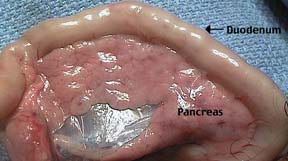
This is a picture of the pancreas of a cat. It is adjacent to the beginning of the small intestine called the duodenum. The pancreas is the pinkish tissue directly under the cylindrical duodenum. For such a small organ it has an important job.
Now that you are an expert at normal physiology, lets learn what happens when the normal mechanisms described above go wrong. This is called pathophysiology. What causes this pathophysiology, leading to a lack of insulin production by the pancreas? It is multi-factorial, and includes:
- Genetic predisposition
- Infection
- Toxins
- Inflammation
Obesity and a lack of physical activity are predisposing factors, especially in cats.
Pathophysiology
The relative lack of insulin causes the blood glucose to go abnormally high. Normal blood glucose in a dog or cat varies from 80 to 150, but can temporarily go much higher (300-500 or more) in stressful situations. When the blood glucose is consistently high, as seen in diabetes mellitus, several negative effects occur.
Many diabetic cats will start having a rise in their blood glucose levels before the onset of symptoms, and before the beta cells in the pancreas lose their abilitly to secrete insulin. If we can catch this early, insulin secretion might possibly be restored. This emphasizes the importance of yearly exams with a blood panel and urinalysis to screen for this.
Inadequate insulin levels force the cell to perform its functions with alternative sources of energy besides glucose. This causes problems for the organ that is made up of these cells, and eventually will lead to significant disease and the complications that occur in untreated diabetes mellitus.
The cells of the body (except most brain cells) are deprived of their primary source of energy. This means they do not function at optimum efficiency. Since they are starved of glucose they need to rely on other sources of energy, namely fat and amino acids. These are not as good an energy source as glucose in the long run.
To utilize amino acids as an energy source the body needs to break down protein. A large part of this conversion occurs in the protein in muscles cells. As this conversion from protein to amino acids progresses the body loses its muscle mass and weight loss occurs.
Metabolism of fat as an energy source is a normal response when cells do not receive adequate glucose for their energy. In the short term this process is highly advantageous. Fat has twice as much calories as proteins and carbohydrates, so it is a concentrated source of energy in the short run. If the fat metabolism process goes on for a prolonged period of time it becomes detrimental, and leads to the buildup of byproducts from fat metabolism. The main byproduct is a compound called ketones.
The ketones that build up in this process change the pH of the blood, further dehydrate a pet, interfere with other metabolic processes, and cause fatty infiltration of the liver. Ketones also cause vomiting, which leads to further inappetence and additional dehydration and electrolyte imbalance.
Further inappetence causes the cells to use even more fat as an energy source, causing an uncontrollable spiral, and sometimes even death. Any diabetic pet presented with ketones in its urine is a medical emergency. These pets have what are termed diabetic ketoacidosis, abbreviated as DKA.
In addition to the liver, the kidneys are another important organ in this disease. The primary role of the kidneys is to filter the blood. As the blood passes through the kidney filters essential nutrients are returned to the bloodstream and waste products are excreted through the urinary system.
Glucose is one of the many molecules that is returned to the bloodstream after it has passed through the kidney filters. Once the glucose exceeds 180 mg per deciliter (this varies by species, cats tend to be higher) in the bloodstream though, the kidneys can no longer selectively return all of this glucose back into the bloodstream. This is called “exceeding the renal threshold”, and is a very important part of diabetes mellitus.
As a result, glucose spills into the urinary tract and bladder in excessive quantities. Since glucose attracts water (called the osmotic effect) it pulls fluid out of the pet and causes polyuria. To compensate for this excess urination the pet drinks more water, and now has polydypsia. It now has the symptoms we abbreviate as PU/PD.
Eventually it causes dehydration when the pet can’t drink enough water to keep up with the increased urination. In addition, the excess urination pulls important electrolytes out of the bloodstream like sodium and potassium, which leads to lethargy and weakness. The loss of glucose also depletes the body of its primary energy source, so additional weight loss occurs. To further add to a diabetic pet’s woes, the excess glucose that builds up in the bladder feeds bacteria that can cause a urinary tract infection.
Why the pancreas stops secreting adequate levels of insulin is a mystery. There is a strong correlation for diabetes mellitus to occur in cats that previously had an episode of pancreatitis. This makes sense because the pancreas is the source of insulin. Yet, many cats that have diabetes mellitus had no apparent pancreatitis in the past.
In some pets the immune system attacks the beta cells in the islets and deposits a compound called amyloid which, makes the beta cells unable to secrete insulin. This amyloid, which contains a protein called amylin, is thought to play a significant role in non-insulin dependent diabetes (your will learn about this soon) because amylin is toxic to the cells in the islets of langerhams.
Another factor involved in non-insulin dependent diabetes is peripheral insulin resistance. This resistance plays a significant role in obese pets, which is a major predisposing role in the development of insulin. In these cases the insulin can be there, but it cannot bind with a receptor that allows the glucose to leave the bloodstream and go into the cell.
Genetics is also involved-genetics cannot be controlled, but obesity can.
Elevated levels of thyroxine, which occurs in feline hyperthyroidism, can also be a factor in insulin resistance.
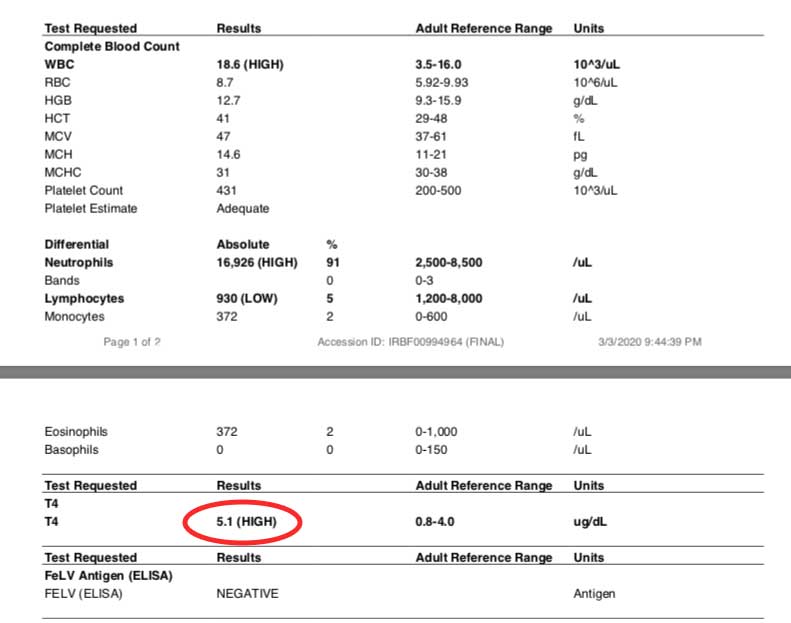
Our feline blood panel routinely tests the thyroid level. This one is high in this cat.
So what does all of this mean? To summarize all of this pathophysiology:
Peripheral insulin resistance, due to obesity and/or the protein amylin found in amyloid, causes chronic stimulation of insulin production in the pancreatic beta cells.
Impaired insulin secretion causes insulin and amylin to accumulate in beta cells in the pancreas.
The high levels of amylin in the beta cells allows amyloid to deposit, further disrupting the ability of these cells to produce and regulate insulin. As the problem progresses, non-insulin dependent diabetes eventually appears, and at some point in time, the symptoms of diabetes mellitus appear.
The pancreas can get a tumor called an insulinoma. In this case the pancreas secretes too much insulin and the blood glucose hovers at dangerously low levels. This problem is rare in most animals except for the ferret.
Classification
Most people are familiar with the classification scheme used in human medicine. Even though the disease is similar in people and pets, the human classification scheme does not always correlate with diabetes mellitus in cats. Differentiating between Type I and Type II in cats can be difficult.
-
Type I
Has similarities to insulin dependent or juvenile onset diabetes mellitus. Most commonly occurs in middle aged cats. Insulin is needed to treat the problem. This is also known as insulin dependent diabetes mellitus (IDDM).
-
Type II
Similar to adult onset or non-insulin dependent in humans. Obesity is a significant risk factor. Insulin is not needed in all cases. Type II cats can become Type I cats when exposed to significant stress. Fortunately, when the stress is resolved they can revert back to Type II. This is also known as non-insulin dependent diabetes mellitus (NIDDM).
There are actually more classifications than this in case you want to go into more detail on the above two types:
Type 1 A & B- Immune system problem occurring in 50% of dogs
Type 2- This is the type II described above that occurs in 75% of cats
Type 3A- Involves genetic defects in the beta cell in the pancreas
Type 3B- Involves genetic defects in the action of insulin
Type 3C – Involves a disease of the pancreas (pancreatitis, trauma, cancer) are some of the more common ones
Type 3D- involves hormone diseases like acromegaly, Cushing’s, Hyperthyroidism, and Hypothyroidism
Diabetes can occur secondary to other problems. Some of these problems include hormone imbalances and reactions to medications. A medication called Ovaban, a hormone used to treat numerous cat ailments, can cause diabetes if used excessively.
Symptoms
The classic signs of a cat or dog with diabetes mellitus are PU/PD. Cats tend to get less of the PU/PD and more of what is called diabetic neuropathy earlier in the course of DM.
These signs of excess drinking and urinating are subtle at the beginning stages of the disease and are easily missed. This is especially true in outdoor cats who do most of their urinating outside, and dogs that urinate outside also.
Other symptoms include weakness, an increase in appetite, occasionally a decrease in appetite, an increase in appetite, weight loss, lethargy, and rarely, vision problems due to cataracts (this problem is more common in dogs). Diabetes mellitus leads to cataracts in dogs via the sorbitol pathway, which is activated in hyperglycemia.
Cats with a severe liver problem associated with this disease might have icterus (jaundice).
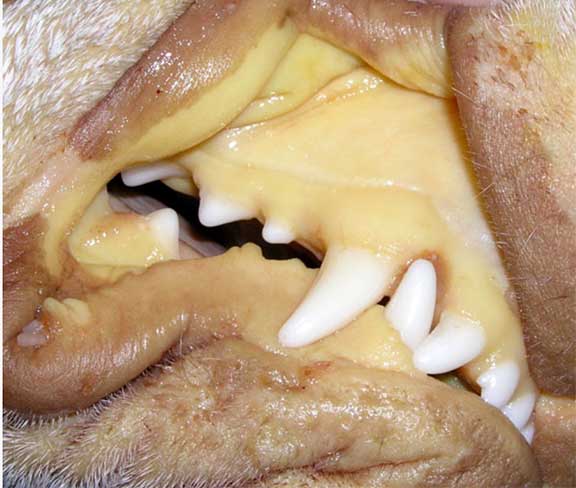
The yellow discoloration to these gums is icterus (jaundice). It is commonly, but not always, caused by liver disease.
Early in the course of DM an affected cat might even walk abnormally on the rear legs (called plantigrade posture) due to nerve problems as a consequence of the elevated blood glucose level. It is also known as diabetic neuropathy that was mentioned earlier. This neuropathy can also cause inappropriate elimination, irritability, and lameness or inability to jump.
When you pet your cat and examine it always look at the bottom of the back legs and look for signs of hair loss.The best way to prevent it is to keep the blood glucose level as close to normal as possible.
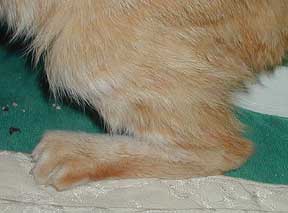
This is what the abnormal (plantigrade) posture looks like
These are also the symptoms of other diseases commonly seen in dogs and cats, and can only be differentiated by diagnostic tests. These other diseases include, but are not limited to, hyperthyroidism, kidney disease, cancer, liver disease, Cushing’s disease and adverse reaction to medications.
Pets with diabetes commonly have other diseases concurrently:
Diagnosis
By the time a diagnosis of diabetes mellitus is made the disease process has usually been present for a significant period of time. When the disease process first started there were no obvious symptoms because of compensatory mechanisms in the body. As diabetes progresses these compensatory mechanisms lose their ability to maintain euglycemia.
Eventually, symptoms of PU/PD and weight loss occur and your pet is brought in to be examined. This emphasizes the point that middle aged and older pets should have a routine blood panel and urinalysis every year once they reach 8.
This is a complex disease, and no specific set of symptoms tells us your pet has diabetes mellitus. It is important to follow the tenets of the diagnostic process closely when making a diagnosis of diabetes mellitus, especially since kidney disease and hyperthyroidism have similar symptoms. We will use the diagnostic process as an example of how we make this diagnosis:
Signalment
Typically this disease is seen in obese cats that are middle aged or older, and more commonly in males (the opposite of dogs). Orange cats seem to get DM more often than other colors, but that could be because more of them are male. There is no specific breed predilection in cats.
Dogs are typically middle aged and older, with purebred dogs showing a higher incidence. Some of them have a genetic susceptibility (they have a marker called CLA4)
Common breeds with these markers are:
- Labrador retrievers
- Samoyeds
- Terriers of many breeds
Some breeds do not have genetic markers and the problem is due to pancreatic disease:
- Miniature Schnauzers
- Miniature poodles
- Dachshunds
- Beagles
History
The classic signs of PU/PD, polyphagia, and weight loss occur in many cases, but not all. These signs depend on how well entrenched the disease process is before your pet is brought in for an examination. Sometimes the only thing an owner notices are accidents around the house in a previously housebroken cat.
A consistent finding is obesity in the recent past. This predisposes them to DM, and we sometimes call them pre-diabetic if obese enough. These obese cats need to be closely monitored for DM with fasting blood glucose tests, urinalysis, and fructosamine tests. You will learn about these tests in or diagnosis section.
Since this disease occurs in middle aged and older pets there can be other diseases occurring simultaneously. Some cats have a history of vomiting in the recent past, an indication that they might have had an episode of IBD (Inflammatory Bowel Disease) or pancreatitis. Some cats are borderline diabetics that have had a recent illness, stress, or adverse reaction to medication. There might also be blood in the urine or straining to urinate, an indication of a urinary tract infection.
Cats presented in DKA might have a history of abdominal pain and distention, vomiting, inappetance, and lethargy.
Physical Examination
The findings of the physical exam depend on how severe the diabetes is, how long it has been present, what caused it, and if there are any other disease processes occurring simultaneously.
Many cats will have lost weight, yet they still could be obese. There might be dehydration, weakness, lethargy, an enlarged liver on abdominal palpation, and an acetone (juicy fruit) smell to the breath. Hypothermia and shock could be present in advanced cases and those with DKA.
Diagnostic Tests
The primary method of diagnosis is with a fasting blood panel and a urinalysis. The blood panel will reveal hyperglycemia (at least > 200 mg/dl) while the urine sample will reveal glycosuria. Not every case of hyperglycemia means a cat has diabetes mellitus. Cats that recently ate, or those that eat canned foods that are rich in sugar, might have blood glucose levels higher than the normal range.
Cats that are stressed from a car ride, on cortisone, are in heat, on phenobarbital medication or hormone medications, might also have hyperglycemia. This stress induced response is a normal reaction to the release of epinephrine (adrenaline). It is a transitory response and will not persist like the hyperglycemia of diabetes mellitus. These cats sometimes need to adjust to a hospital environment before we are able to determine their true blood glucose level.
Cats are unique in that their stress response can cause a tremendous rise (up to 4x normal) in the blood glucose. This is a common occurrence when we take a blood sample in a cat, and needs to be taken into consideration when we analyze a blood report.
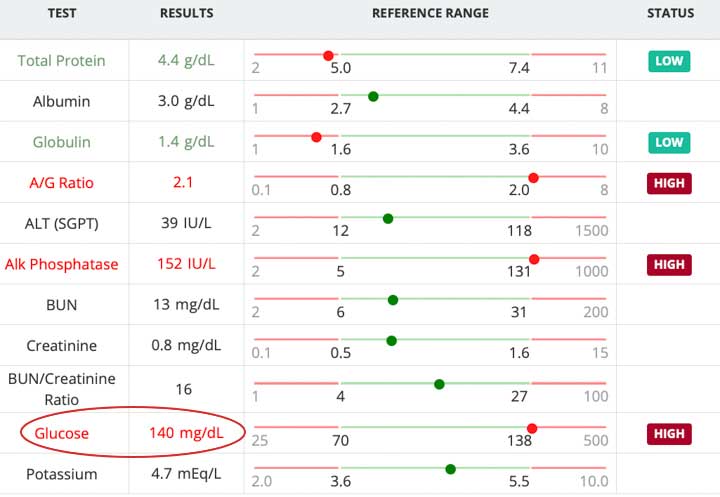
Here is a blood glucose report from our lab for a cat that does not have diabetes mellitus, even though it is elevated at 140. Some cats can have a blood glucose of 200-300 or more, and still not have DM, due to the stress response cats undergo.
It is always advised to check the blood sugar in dogs and cats after an 8-12 hour fast to give an accurate representation of the blood glucose level. If you bring your pet in for a Wellness Exam, and they are healthy, please do not feed them for 8-12 hours ahead of time to make the blood panel more accurate.
A urinalysis is routinely performed with a blood panel. It gives us important information as to the diagnosis and also the severity of the problem.
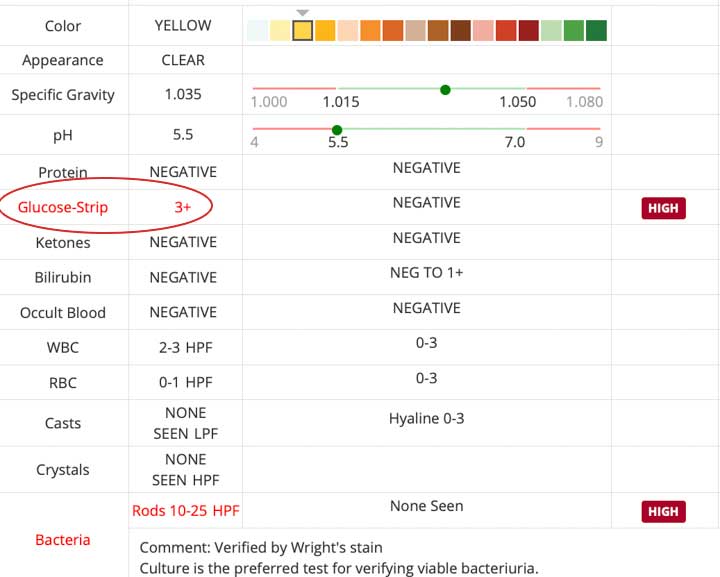
A routine urinalysis checks for many things, This cat has a significantly elevated glucose (called glycosuria) that could indicate DM. It also has bacteria (rods 10-25) that could indicate a UTI (urinary tract infection)
Diabetes mellitus is diagnosed when there is a persistent fasting hyperglycemia along with glycosuria, that is consistent with a history of PU/PD and polyphagia.
Other blood tests are sometimes used in this disease. The two more common ones are serum fructosamine and glycosylated hemoglobin. They are used to to distinguish stress induced hyperglycemia from diabetes mellitus, and to also monitor insulin therapy. They give us an indication of what the blood glucose level has been for the preceding two weeks.
Fructosamine is formed when glucose reacts with amino acids that make up serum proteins like albumin, which is made by the liver. When the blood glucose is high, fructosamine also increases. Increased levels of fructosamine help confirm a diagnosis of diabetes mellitus, give us an idea of the presence of a persistent hyperglycemia, and help us monitor response to treatment.
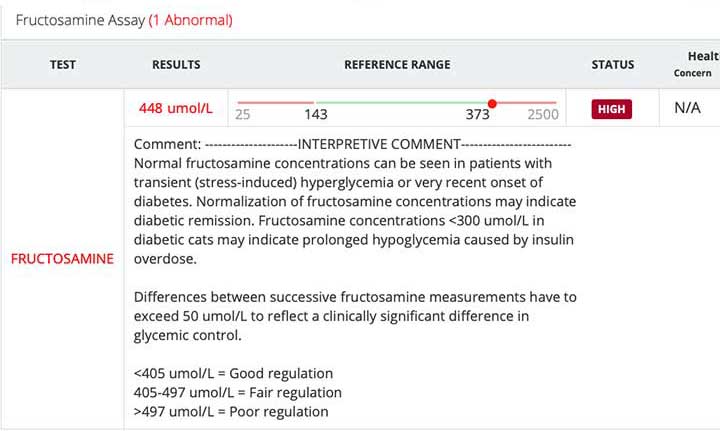
This fructosamine test result of 448 shows fair regulation
Glycated hemoglobin (HbA1c), a tool to diagnose, monitor, and treat diabetes mellitus in people, is just starting to get clinical application to dogs and cats with DM. This hemoglobin A1c test gives us a greater timespan to monitor glucose levels, up to 70 days in cats and 110 days in dogs, as opposed to fructosamine which monitors glucose levels for several weeks.
The A1c test is is not affected by daily blood glucose fluctuations, exercise, diet, or the amount of insulin in the bloodstream. As this test is tested for consistency, and becomes standardized and cost effective, we will implement its use as another aid to monitor and treat our diabetic patients. More studies need to be performed to determine its accuracy, until then it is not offered by our laboratory.
In addition to glucose in the urine and ketones, the urinalysis might indicate that a urinary tract infection (UTI) is present. This must be treated for a pet with DM if the disease is to be controlled.
A UTI is detected by a change in the pH of the urine, excess white or red blood cells, and bacteria. Even if these are not present a urinary tract infection can still be present. This is why we recommend a urine culture and sensitivity looking for bacteria.
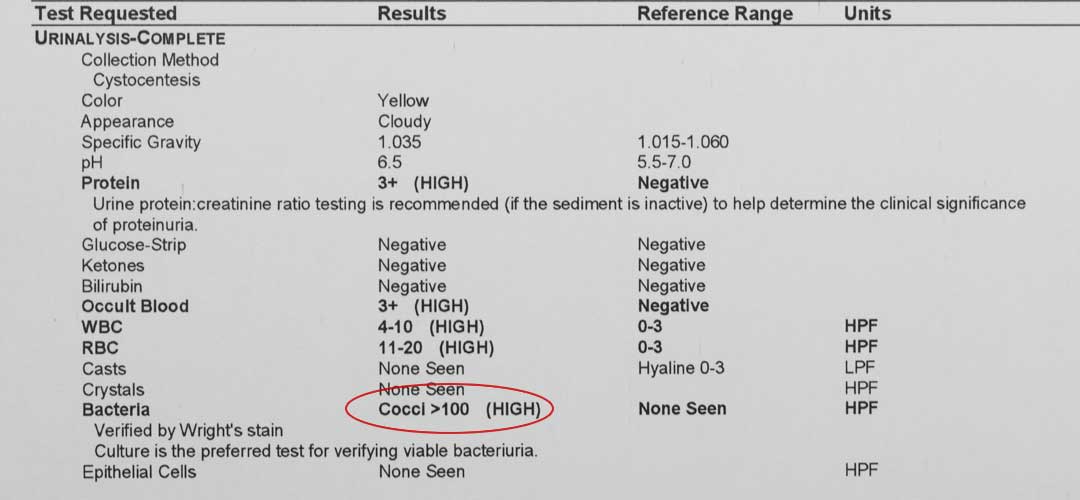
This cat has a UTI (urinary tract infection) as evidenced by the increase in WBC (white blood cells) and the high number of cocci bacteria. We would not have know this without a urinalysis, and treatment would have not been effective because of this infection.
Treatment
Most pets with diabetes mellitus have been ill for a longer period of time than most owners realize. The sooner we treat the better the outcome, and the greater chance we will reach our goal of remission in cats. This emphasizes over and over again the need for yearly exams (twice yearly for pets over 10 years of age) and blood panels to catch problems like diabetes mellitus early.
The mainstay of treatment for diabetes mellitus in animals and humans is insulin. The protein source of insulin is usually human, synthetic derived from human, bovine (cow), and porcine (pig).
The theoretical goal in diabetic dogs is a blood glucose of around 200mg/dl. In cats it is between 250-300 mg/dl. Every cat is different, and we have diabetic cats with numbers lower than this, and numbers higher than this, that are doing fine. Your feedback on how your cat is doing and eating, and also how much it is drinking and urinating, is very important.
Human and animal insulin are organized by how soon they start and how long they last, along with the protein source they are derived from. The short-acting insulins are used in the more emergency situations like ketoacidosis (you will learn more about this later). It is the intermediate and long-acting insulins that are the mainstay of successful treatment of DM.
The goal of insulin therapy is to mimic naturally secreted insulin from the pancreas as closely as possible. This can be quite difficult in any species, let alone the cat. The dose of insulin and the type of insulin that is effective will vary from cat to cat and dog to dog. Once a proper dose is initially determined at some point in time in the future this dose will probably change if remission is not achieved.
Treatment is broken down into three parts in the dog:
The proper type and dose of insulin. We will be determining this.
Exercise your dog in a consistent manner.
A complete and balanced diet that lacks simple carbohydrates. This will be your part. You need a stable routine for meals, snacks and exercise, and do not make frequent or major changes in this. This diet should revolve around one of the following, all depending on what works best for your dog:
A high-fiber and restricted-fat diet that are high in complex carbohydrates (hight means greater than 45%)
A diet with moderate fiber and restricted carbohydrates (<30% metabolizable energy) that are higher in fat and protein
High fiber diets slow down how fast glucose is absorbed into the intestines, thus keeping the blood glucose more stable and less prone to spikes right after eating. High-fiber and moderate-fat diets might cause weight loss, and might not be suitable for some dogs that are already thin. Dogs tend to do well with Hills W/D. The most important thing to remember is consistency. Your dog and cat should be fed the food they like to eat, in the same amount, at the same time every day.
For cats a low-carbohydrate (<15% metabolizable energy) high protein diet like Hill’s m/d .is the diet of choice. This means canned cat food over dry. If your diabetic cat will only eat dry food you should add acarbose to it. Do not feed foods that contain excess sugar like semi-moist canned foods.
The long-acting insulin glargine give twice daily for cats in conjunction with this diet increase the chance of remission when the disease is caught early. We can expect up to 8-% remission rate in cats when the disease is diagnosed before symptoms become severe and we are able to get the blood glucose near normal soon after starting insulin. This emphasizes the importance of monitoring the blood glucose level early in the course of the disease.
Insulin should be given within one hour of feeding for dogs, and for convenience sake, most of the time it is given at the time of feeding. In cats there are fed a low-carbohydrate and high protein diet the time you give the insulin in relation to eating is not as critical.
Treatment with insulin will not work overnight, and will take at least 30 days to get to proper regulation. During this time we slowly modify the dose of insulin, based as much on what you tell us how your pet is doing at home as much as our laboratory tests. It can take up to 8 weeks to achieve remission in cats. Once remission is achieved the weight must be kept at an optimal level to prevent recurrence.
The goal of treatment is to resolve the symptoms of poor appetite, lethargy, and PU/PD without inducing hypoglycemia. Dogs tend to be easier to regulate than cats, although preventing cataracts from forming is difficult in the dog. Resolving these symptoms is just as important as regulating the blood glucose level, and in many cases, is even more important.
Some cases of diabetes mellitus in cats are not straightforward. An obese cat can have NIDDM in its normal, unstressed home environment. These cats are secreting insulin but in low levels. As long as they are in a stress-free environment they are able to maintain euglycemia. If they encounter a stressful situation, get sick, or are put on certain medications, their blood glucose will increase. If it goes beyond the renal threshold for glucose, PU/PD will ensue.
These cats are then brought to a veterinarian because of the PU/PD and diagnosed as having diabetes mellitus. They are put on insulin therapy and the problem improves. The problem occurs when these cats are returned to their normal environment and the problem that started the increased blood glucose in the first place (stress, illness, drugs) is now gone.
In some of these cases these cats will now become hypoglycemic because they are being given insulin injections when they do not need them. Identifying these cats that have converted from insulin-requiring to non-insuin requiring NIDDM is difficult. This is one of the numerous reasons why diabetic cats should be brought to our hospital every 1- 3 months for a urinalysis and blood glucose curve.
If we start a cat on insulin injections, it’s weight is or becomes normal, and it responds well to insulin injections, we might have a cat in remission, which is our ultimate goal. In these cases we start lowering the insulin dose slowly, over several weeks to see if it still maintains a normal blood glucose. The sooner we start treating your cat for diabetes mellitus the greater the chance the problem resolves.
The future of diabetes treatment in animals involves SGLT2 Inhibitors. These are sodium (Na+) glucose co-transport inhibitors. They inhibit the ability of the kidneys to reabsorb glucose. Medications that are SGLT2 Inhibitors include a drug called Bexacat (bexagliflozin ) tablets given once daily. Human diabetics have been using this drug in Type II diabetes mostly, and when more research is done, we will see if this applies to cats. One thing we have learned is that if a diabetic cat has been treated with insulin injections it cannot use this drug due to the inability of the beta cells in the pancreas to produce insulin.
If your pet is being treated with corticosteroids (prednisone or cortisone), or Atopica (cyclosporine) for another condition like IBD, rodent ulcer (eosinophilic granuloma), or a skin condition, we will keep it on these drugs and start insulin therapy. Even though these drugs raised the blood glucose level and exacerbate diabetes, stopping them will cause the problems they are treating to re-occur. Staying on these drugs to treat that problem, and then adding insulin to control the diabetes mellitus, is more effective and leads to a better quality of life for your cat.
Underlying problems like dental disease and UTI’s (urinary tract infections) need to be controlled. Some UTI’s can be ‘silent”, meaning your cat does not show any symptoms, but the UTI is causing insulin resistance. This is why a urinalysis, and a urine culture and sensitivity, are important because they will catch this silent UTI.
If your pet is eating well, gaining weight, and drinking and urinating less than prior to starting insulin therapy, we don’t over-interpret blood glucose levels. If they are a little higher than we want, but your cat is doing much better since starting insulin, we can tolerate a higher than normal blood glucose level. Each cat is different, and needs to be treated that way.
Hypoglycemia, blood sugar that is too low, is your primary emergency problem. Symptoms to watch for include:
- Walking abnormally, like your pet is drunk
- Running into walls or circling
- Staring into space
- Shaking
All diabetic animals, especially cats, need to be closely monitored because urine and blood glucose levels are in a constant state of flux. Because of this you need to be in touch with your pet’s habits and observant of any changes. You also need to have Karo syrup available at all times for dogs and cats in case their blood sugar becomes low and they have problems. If you have no Karo syrup make up some sugar water and rub it on the gums.
Insulin injections
The thought of giving injections to your pet, especially a cat, can cause panic in some people. Keep in mind it is easier to give insulin injections with the tiny needle that is used than it is to give a cat a pill. Once we show you how easy it is you will become an expert in no time. If you make it a positive endeavor, feeding around the same time, then a small treat, or a brushing or petting session just after the injection, it will be a positive experience for both of you.
Regular insulin is used initially to treat a cat or dog if it has DKA. Once the ketoacidotic state has been reduced we use the intermediate or prolonged lasting insulin. Your veterinarian will let you know which one might be most appropriate in your situation. Sometimes we need to try more than one type of insulin. What is just as important as the type of insulin used is the familiarity a doctor has with a specific protocol.
Most pets will need insulin given every 12 hours. This should coincide with a meal. You should decide ahead of time what insulin and feeding schedule works for you and your lifestyle because consistency is of utmost importance. The same thing goes for exercise since this affects insulin. Take your dog for the same type of walk at around the same time every day when possible to increase your chance of a good response to insulin injections.
Initially, insulin is dosed conservatively in order to see an individual dog and cat’s response and to minimize any chance of hypoglycemia. After your pet has been on this initial low dose we like to do a blood glucose curve to assess where we are, then make adjustments in dose accordingly.
We routinely use the newer insulin products:
Glargine (Lantus) and Detemir- Ultra long acting
Glargine, a human insulin has been successfully used in many cats. If used early in the course of the disease it is even possible to get a remission of the disease. Those cats that do go into remission need to be monitored and kept at an ideal body weight or they might have a recurrence of diabetes mellitus.
Glargine is more expensive than the other insulin’s used. This added expense might be worth it if your cats diabetes problem is actually cured of the problem. One of our doctors will discuss this with you and see if it is appropriate in your situation.
PZI (Protamine Zinc Insulin)- Long acting
Its real name is protamine zinc recombinant insulin. This is one of the more commonly used insulins in cats. It is usually given every 12 hours, although a new formulation allows it to be given once per day in dogs. . We start with a dose of 1-3 units in the cat, and adjust as needed. PZI insulin in cats does not seem to achieve remission as much as glargine insulin.
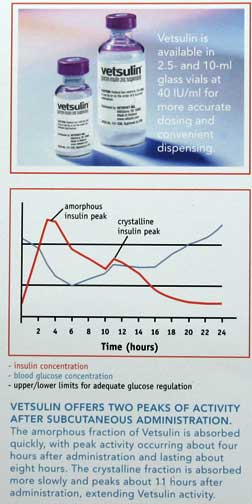
Vetsulin (Lente)- Intermediate acting
This insulin is approved for use in dogs and cats. It is made from purified porcine insulin which has the same amino acids as canine insulin. Because of this there should be more effective regulation of blood glucose with less risk of anti-insulin antibodies. It is an intermediate acting insulin, and in some dogs once daily dosing is adequate. Cats usually need to be given their injections twice each day.
The overall goal of treatment is remission and no further need for insulin. Here are some predictors on remission of DM:
- If your pet is diagnosed and treated early in the course of the disease
- If the blood glucose level is adequately controlled within the first 6 months
- It eats a low carbohydrate diet
- It is not obese
- It does not have underlying hormonal diseases like Cushing’s
- It does not have diabetic neuropathy
Ketoacidotic Diabetes Mellitus (DKA)
Pets presented with DKA are an emergency, and need immediate medical attention. The ketones are disrupting the normal physiology of the body and causing significant illness. Any cat that has ketones in the urine needs insulin.
Our animal hospital with emergency vets is available until the evenings 7 days per week to help you if you see this in your pet, so please do not wait or attempt to take care of this problem on your own. If you have an emergency always call us first(562-434-9966) before coming in so that our veterinarians can advise you on what to do at home and so that we can prepare. To learn more please read our Emergency Services page.
They need regular insulin due to its ability to rapidly lower the blood glucose level. They also need fluids and electrolytes to correct dehydration, electrolyte imbalance, and acidosis (a change in the pH of the bloodstream). If this therapy is initiated too aggressively it might cause more harm than good. Our goal is to return your cat to a relatively stable state within the first 1-2 days after initiating this therapy.
The following diagnostic tests of a cat with DKA show the severity of the problem. We want to diagnose DM in these pets long before they become this ill and need life saving emergency treatment.
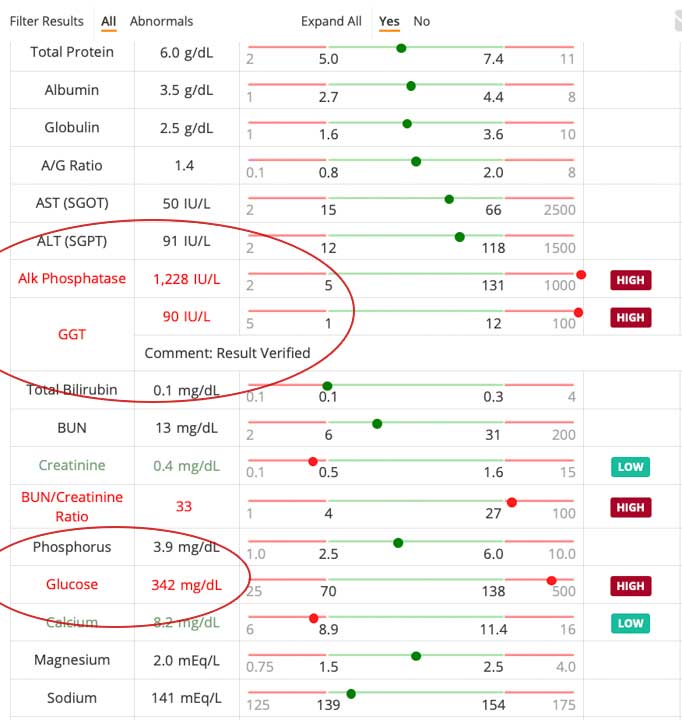
This cat has DM that is also severely affecting the liver secondarily, as evidenced by the substantially elevated Alk Phosphatase and GGT. The GGT is so high the lab rechecked the test, that is why it says “result verified”.
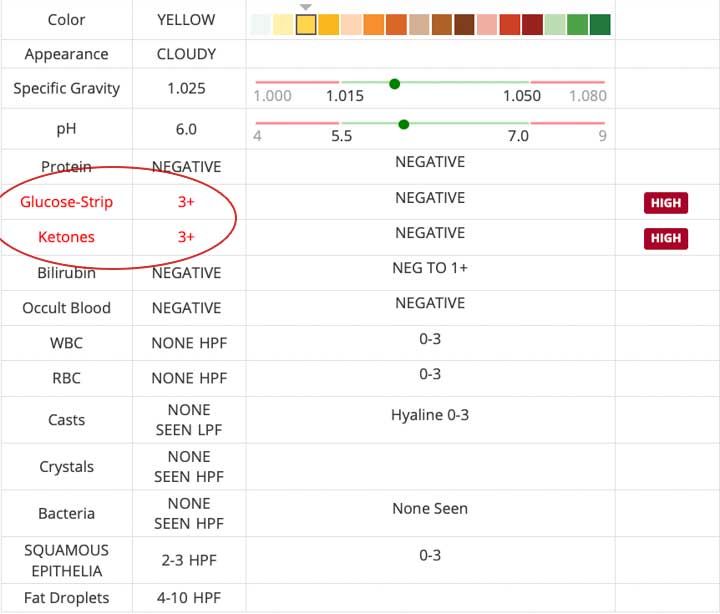
It has ketones in its urine, so it DKA (diabetic ketoacidosis)
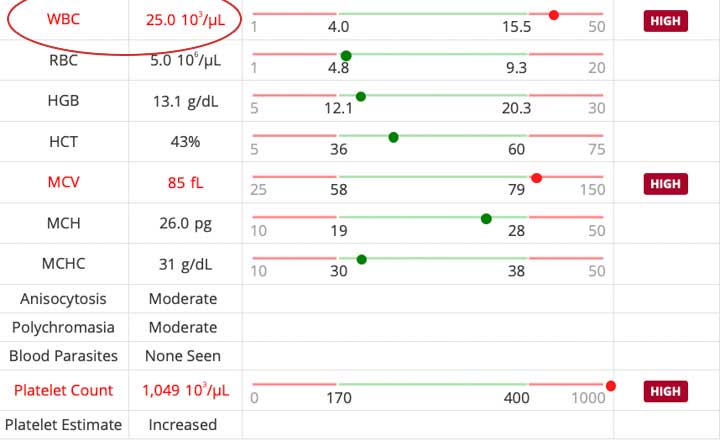
It also has an elevated white blood cell count indicating significant inflammation and/or infection
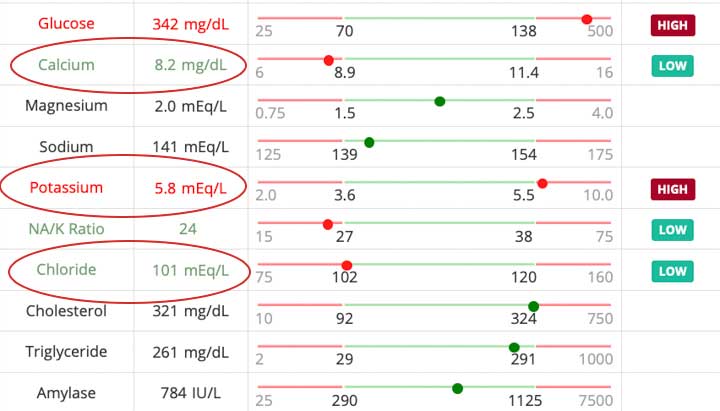
Its electrolytes- calcium, potassium, and chloride- are all abnormal. This is adding to the substantial illness that is already present.
Exercise
This overlooked and helpful treatment modality can lower insulin requirements. Make it regular and consistent.
Regulation
Diabetic pets need to be slowly regulated (the correct dose of insulin needed). Many pets will take 4-8 weeks to find the proper level of insulin Most cats have well entrenched pathology that is not conducive to rapid change. The dose has to be given in small amounts initially to prevent hypoglycemia.
It takes several days for a cat to respond to a change in dose. This initial regulation only gives us a starting point for your pet’s insulin dose since there will be numerous mitigating factors that will affect insulin levels when your cat returns home.
Initially we will use a low dose and have you administer the insulin at home at this dose for the next 7 days. After 7 days we will perform a glucose curve in our hospital over 10 hours. The blood glucose curve will give us an idea of how it is reacting to the type and amount of insulin we are using.
Every pet is different, so this trending is needed to understand specifically how your pet will react. This curve will give us an accurate picture of just how high and how low the blood glucose is. This will then allow us to further refine the dose of insulin. We will do this glucose curve every 7-14 days, refining the dose each time, until we have achieved are desired level. This can take 4-8 weeks.
Any other problem your pet has, especially UTI’s (urinary tract infections) needs to be corrected for insulin injections to lower the blood glucose properly. If your pet has dental disease, once it is improving, we will correct this problem. If we don’t we will never be able to fine tune the dose of insulin, and insulin resistance will prevent your pet from improving to the level where it will have a good quality of life.
Our goal is to get the blood sugar level down to somewhere between 100-250 mg/dl. Some pets are regulated fine even if the blood glucose peaks at greater than 250 mg/dl. It is much better to have a pet that has a slightly high blood glucose level than to try and refine the dose so closely that hypoglycemia is risked.
In Hospital Monitoring of Blood Glucose
To monitor your pets blood glucose we take frequent samples. To prevent the constant irritation from obtaining this blood sample we put a catheter into one of your cat’s using a tiny needle. This eliminates discomfort and also minimizes the stress response. In some cats we put in a catheter to make the whole process much less stressful.
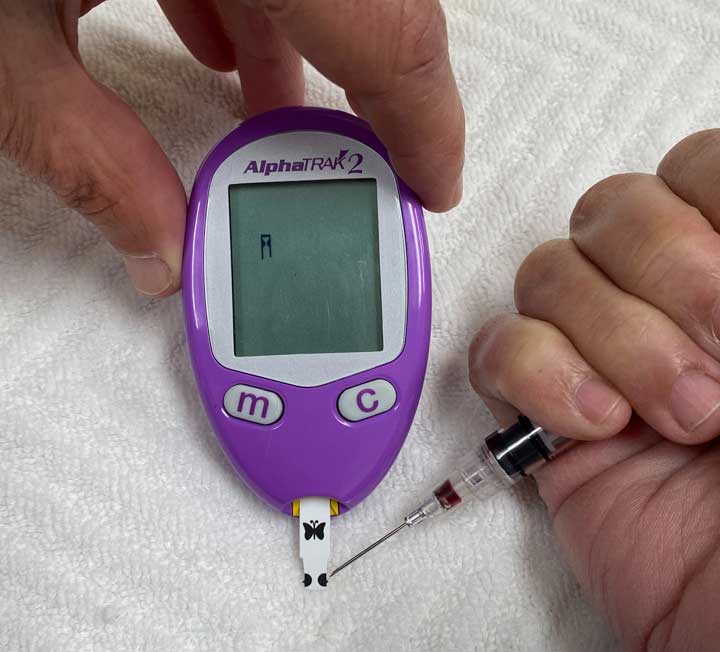
It only takes a drop of blood for our AlphaTrak blood glucose kit to get an accurate reading
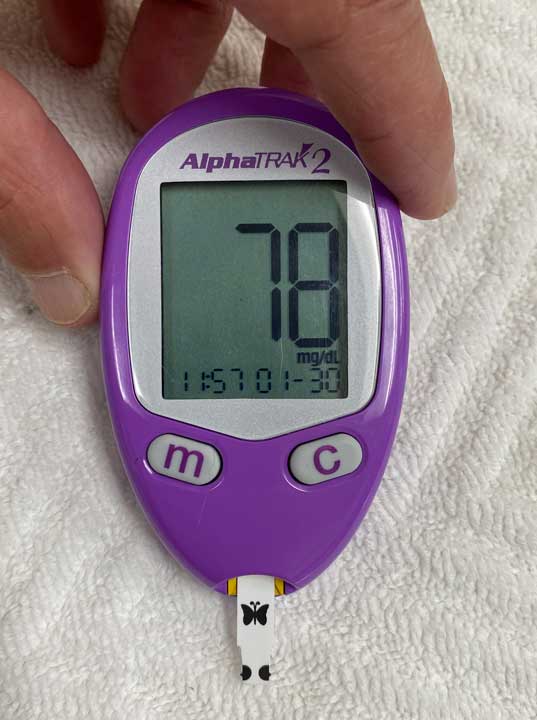
In a minute we have an accurate reading. This pet has a blood glucose of 78 mg/dl
In Hospital Monitoring of Fructomasine
A more accurate blood test is the fructosamine level, which gives us an average of your pets blood glucose levels of the last 2-3 weeks, and is much less variable than individual blood glucose determinations. The fructosamine test is obtained at our hospital, and should be performed every 3 months after initial regulation.
Our doctors might use fructosamine in conjunction with blood glucose levels utilizing the following chart to monitor control:
- Excellent control- Fructosamine < than 400 and blood glucose < than 180
- Poor owner compliance- Fructosamine > than 400 and blood glucose < than 180
- Over regulation- Fructosamine < than 400 and blood glucose < than 60
- Stress hyperglycemia- Fructosamine < than 400 and blood glucose > than 180
- Poor control- Fructosamine > than 400 and blood glucose > than 60
- Do not make any changes in insulin dose unless you talk with one of our doctors. Do not make daily changes in insulin doses either, wait 3 days to determine if the new dose is having any effect.
Home Monitoring of Blood Glucose
There is considerable day-to-day variability in BG levels, so serial blood glucose curves over many hours are needed.
Even though blood glucose checks are critical, your input as to how well your pet is eating, acting, and how much it is drinking and urinating, are just as important. If your pet is doing well in all these parameters then we need to be careful about over-interpreting the blood glucose levels.
In humans glucose is evenly distributed between the red blood cells and the plasm. This is not the case in dogs and cats, where the majority of glucose is in the plasma. This means that using a human home blood glucose monitor can give a lower blood glucose than that is actually the case. For example, an human machine used in an animal that shows a blood glucose of 100mg/dl might actually be 130 mg/dl.
The best way to monitor your pets blood glucose at home. This substantially minimizes the stress of a car ride and the stress of an animal hospital when the long-term blood glucose is monitored. Ears and pads are areas in which a small prick will give sufficient amount of blood to run an in home blood glucose. In some cats this method of obtaining a blood glucose level is preferable to running a glucose curve in the hospital. This is because the stress of the car ride and the obtaining of blood several times while in the hospital can mislead us as to your cats actual blood glucose level.
Some of our clients use a home glucose kit to check their cats. It is easy to do once we show you, and gives a more accurate assessment of blood glucose levels at home than does the glucose in the urine. You only need a few drops of blood for the glucometer.
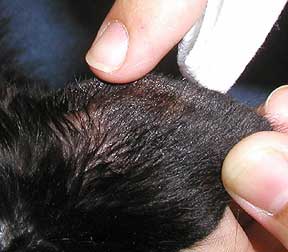
To use the glucometer you need to find an ear vein. You can see this one running horizontally under our nurses finger.
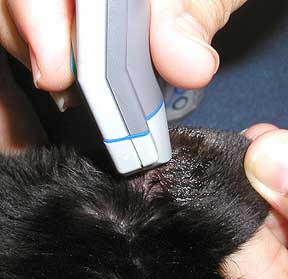
It is very simple to prick the ear with this machine and get your sample
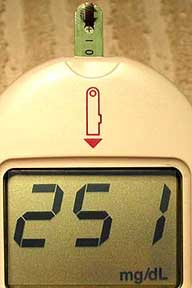
After you place a drop of the blood in the green tip the machine will give you a blood glucose reading in a few seconds
An increasingly popular way to measure the blood glucose is to use Continuous Glucose Monitors (CGM’s). The give us continual glucose readings for up to two weeks. There is not need to use a needle in the vein or ear margin to obtain a glucose level with CGM devices.
They measure the glucose in the interstitial compartment as opposed to the bloodstream. Good correlation has been found between the two, this is a viable and substantially more convenient method to measure glucose levels in a diabetic dog or cat.
With a CGM we attach a monitor to your pet’s skin at the back of the neck. The monitor sends readings to a reader every 1-5 minutes for up to 2 weeks, although they are best used for 5- 10 days. This is more than enough time to get an accurate and consistent idea of your pet’s glucose level.
Sometimes they do not work well, so they have their limitations. This could be due to movement of the sensor on your pet’s back, a pet that is underweight might not have enough space in the subcutaneous (SQ or under the skin) compartment, the adhesive might fail, and bleeding might occur.
The AlphaTRAK, Abbott Freestyle Libra system, and the Dexcom G6 are the ones most frequently used home glucose monitoring systems. Another one to think about is the Test Buddy Pet-Monitoring Blood Glucose System. One of our doctors can talk to you more about this. They generate a large amount of blood glucose readings, and it is too easy to over-interpret and make changes to insulin levels that are not necessary.
Home Monitoring of Urine Glucose
Monitoring of the glucose in your pets urine will give you at best a rough idea of its blood glucose level and is not a good way to measure glucose in a diabetic pet. There are significant limitations to home monitoring using urine glucose as a criteria. If you note a significant amount of glycosuria consistently for several days your pet needs a blood glucose curve.
Urine glucose measurements do not necessarily correlate with blood glucose measurements, the more important of the two. Also, if the blood glucose level is below the renal threshold a negative glucose in the urine cannot differentiate between euglycemia and hypoglycemia.
One of the ways the urine dipstick can be particularly helpful is in monitoring ketones. Occasional trace ketones is no cause for alarm. Consistent ketonuria in a cat that is not feeling well requires immediate veterinary care.
To help in the urine monitoring process your cat’s normal litter can be replaced with special litter that will not absorb urine. You can also use regular paper, newspaper, or even plastic wrap in the bottom of the cage. There is even a special litter that reacts with the glucose in the urine.
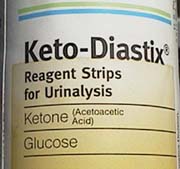
One of the more common urine dipstick kits is the Keto-Diastix. In addition to monitoring glucose it also monitors for ketones, which is our only recommendation.
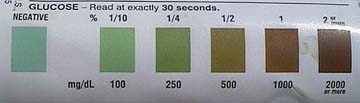
This is the chart on the Keto-Diastix bottle. The box to the far left is negative, which is the goal. The next box to the right is 100 mg/dl. Its OK to have this urine glucose value on occasion.
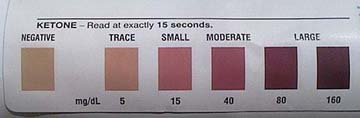
On the same bottle there is a chart to monitor for ketones in the urine. Your goal is to have negative with an occasional trace.
There are prescription meters that can be purchased to check your pet’s serum ketone level. This can be more accurate than the urine ketones.
Treatment
Determining the daily dose of insulin required at home is not an easy task. We have learned over the years that blood glucose determinations are variable, and that in many cases it is your perception at how well you pet is eating, how active it is, and how its drinking and urinating has decreased that is more important.
As a general rule, our goal for a well regulated pet with DM shows the following:
Drinks less water compared to prior to starting treatment
Needs to go out to urinate less frequently
Sleeps through the night without needing to go outside to urinate.
Doesn’t urinate in the house when left alone for several hours
Eats normally but not ravenously
If initially overweight, which is common, it loses weight slowly until it gets to its optimum weight
Gains weight if initially underweight, maintains normal weight in the long run.
The above criteria are balanced with the results of ongoing diagnostic tests regarding blood glucose and fructosamine levels to adjust the amount of food and insulin given daily.
Insulin Injections
It is imperative that you administer the precise amount of insulin required since small changes can have dramatic effects. Be consistent and give the insulin the same time and at the same location every day. If your pet is on twice daily insulin injections give each morning and evening dose at the same time every day. Always feed your pet in the morning prior to giving the insulin.
If it does not eat its food skip the morning dose of insulin. If it eats only half of its food, give it only half of its insulin dose. Giving a normal dose of insulin to a pet that is not eating greatly increases the risk of hypoglycemia. You must always err on the side of hyperglycemia instead of hypoglycemia.
Most cats eat small bites of their food throughout the day. This might or might not work in a diabetic cat because of the manner in which the insulin that is administered peaks. If it does not work, feed your cat twice each day, feeding part of its daily meal when you give the insulin in the morning. Make sure it has access to this same food when the insulin level is peaking later in the day.
A record should be kept of your pet’s food intake to note any changes. The same thing holds for its water consumption. Marking this on a calendar weekly will give you important trends and give you a good idea if you are on the proper dose of insulin.
The actual administration of insulin is very straightforward. As a matter of fact, it is easier to give insulin injections at home than it is to give SQ (subcutaneous) fluids to cats that have chronic renal failure, a common feline problem.
This is because an insulin injection takes 1 second to give, whereas fluids take 5-10 minutes. The technique used to give insulin injections or SQ fluids is the same- click here to view an actual demonstration of the administration of SQ fluids. When you are finished learning the proper technique return here to finish.
The insulin you give by injection is absorbed best when it is not given by the shoulder blades or top of the neck. It is absorbed better when given towards the rear quarters, an area that has plenty of room to give injections.
You will never be forced into doing something that makes you feel uncomfortable. While your cat is in the hospital with us you can observe how we give the insulin injections. One of our nurses will demonstrate its proper administration when we release your pet from the hospital. You can return to our hospital for assistance in giving the insulin at any time.
In order to simplify the process we will give you an insulin syringe that has been designed to be used with the specific type of insulin your pet requires. You will be giving insulin in a measurement called “units”, and not in ml (milliliters) or cc (cubic centimeters) as is commonly used in most syringes.
The use of injections is very simple. If we are using U-40 insulin, then we use a U-40 syringe. If we prescribe 2 units of insulin, draw up the insulin to the 2 mark on the syringe and give the injection. That’s all there is- no calculations are needed on your part.
Some cats require such a low dose of insulin that we have to dilute it for proper administration. A special diluent is needed for this, and diluted insulin should not be used longer than 2 months. A special syringe is sometimes used for dilute insulin.
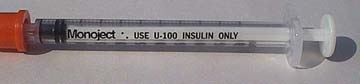
This is what a U-100 syringe looks like, although routinely we will use a U-40 syringe. The needle is very small and sharp so your pet will not feel it during its injection.
Insulin should be kept refrigerated at all times to preserve its freshness. When you purchase it at the pharmacy bring an ice pack with you. Prior to use it should be gently warmed in your hands. Storing the insulin bottle on its side in the refrigerator will help in mixing.
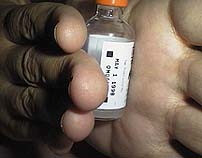
Gently roll it (never shake it vigorously because excess bubbles will form) between your hands for 1-2 minutes to bring it to the proper temperature for administration
Make sure you are in a relatively calm location when you give the injection. Hold the insulin bottle upside down and draw out slightly more than the number of units your cat requires. Tap the syringe a few times to remove any air bubbles-this aids in accuracy (a few tiny bubbles are OK). Push the plunger in the syringe slightly forward until you have the exact number of units you need to administer is in the syringe. Put the cap back on the syringe and put the insulin bottle back in the refrigerator. Do not reuse the syringe.
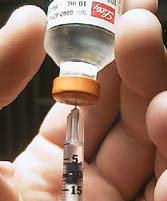
We will show you exactly how to do this in person, and give the first few injections for you until you get your confidence. In this picture you can see we have drawn 6 units into the syringe.
Give the injection in the scruff of the neck just as you would when giving SQ fluids described above. Your pet should not feel anything because the needle is so tiny and sharp. The whole process, from warming the insulin to giving the injections, should only take a couple of minutes. As you get confidence it is recommended to rotate your injection sites. We can shave a section of hair to make this whole process easier.
Improper administration of insulin is one of the most common causes for improper regulation. Please do not hesitate to contact us at any time for assistance in this vital procedure. Preferably, only one person per household should be delegated to giving insulin for consistency.
Common reasons for treatment failure in dogs:
- Not giving insulin injections consistently or properly
- Not exercising your dog
- Diet too high in carbohydrates
- Hypothyroidism
- Hyperlipedemia
- Ketoacidosis
- Cushing’s disease
- EPI (Exocrine Pancreatic Insufficiency)
- IBD (Inflammatory Bowel Disease)
- UTI (Urinary Tract Infection)
- Dental Disease
Common reasons for treatment failure in cats:
- Not giving insulin injections consistently or properly
- Wrong insulin
- Diet too high in carbohydrates
- Hyperthyroidism
- Acromegaly
- Cushing’s disease
- EPI (Exocrine Pancreatic Insufficiency)
- IBD (Inflammatory Bowel Disease)
- UTI (Urinary Tract Infection)
- Dental Disease
Warning signs that necessitate an exam and blood glucose curve in the hospital:
- Lethargy or significant increase or decrease in appetite
- Significant increase in drinking or urinating
- (100 mg/dl) or more glycosuria for > 2 days
- Significant ketones in urine for > 2 days
Long Term Care
It must be understood that in most cases insulin administration does not cure diabetes mellitus in dogs, it only controls it. In cats, if caught early enough and regulated properly with insulin and diet remission is possible.
To minimize problems we should examine your pet 3-6 months and also perform a blood glucose curve along with a routine blood panel. A urinalysis at the same time is needed to monitor for a UTI (urinary tract infection).
A further reason to run a complete blood panel every 6 months is to monitor routine age related changes like hyperthyroidism and kidney disease. Diabetes can also predispose your pet to high blood pressure (hypertension).
This long term monitoring is important for another reason. In almost every diabetic pet insulin requirements change, necessitating the need for close monitoring and communication with us. If your pet goes into heat (another reason to spay females and even neuter males) its insulin requirements might change. In some diabetic cats the problem goes away and they no longer have a need for insulin. Giving insulin to these cats can cause hypoglycemia, which if it is severe enough, can lead to seizures.
Complications of Diabetes
Hypoglycemia
One of the more alarming, yet relatively rare side effects to insulin administration, is hypoglycemia. You should be ever vigilant about its appearance and always be ready to treat it at home. Close observation of your pets appetite will go a long way towards preventing this problem.
Symptoms include shaking, a starry eyed appearance, lethargy, shaking, greatly enlarged pupils, muscle tremors and even seizures. If the problem is serious and persists long enough, coma and even death can occur from depression of the respiratory system. Some pets don’t show any obvious symptoms except subtle behavior changes like sleeping more than usual. Since cats sleep most of the time anyway this can easily be missed.
In most cases the cause is an overdose of insulin. A common scenario involves a pet that eats significantly less than its normal amount for the day. Hypoglycemia can result if the dose of insulin is not adjusted to take this into account. If your pet is not eating well and you are unsure of its appetite, either give less insulin that day or do not give any at all. A blood glucose test in the hospital will let us know for sure.
Other causes of hypoglycemia include improper insulin administration resulting in an accidental overdose, along with cats that spontaneously recover from their diabetes and no longer need insulin. This is why close monitoring of the blood sugar level is important, either at home or at our office.
If the symptoms of hypoglycemia are mild, feed your pet some of its normal food. For many pets this will suffice. If the problem is severe use Karo syrup, a simple carbohydrate. It is readily available at the supermarket and should be kept on hand at all times. Give it in small amounts or rub it on the gums. Pancake syrup, honey, sugar water or any fluid that has high amounts of sugar can be used also. These high carbohydrate remedies only last a short time so you might have to keep on repeating one of them. Also, it is a good idea to have a source of simple carbohydrates in your car or other important locations when traveling or even just going for a walk. It pays to be prepared.
In the rare case that your pet has a seizure or seems comatose from hypoglycemia, it is imperative that you do not put anything into its mouth, including your fingers. These pets need to be seen by a veterinarian immediately.
Liver Disease
Cats with diabetes are forced into using an energy source that will eventually cause a fatty infiltration of liver cells. As a result the liver will not function at optimum capacity, a potentially serious problem since the liver is such a vital organ. The liver enzyme test on the blood panel will alert us to this complication. When the diabetes is treated this problem might resolve. Radiography might reveal an enlarged liver (hepatomegaly) due to the fatty infiltration.
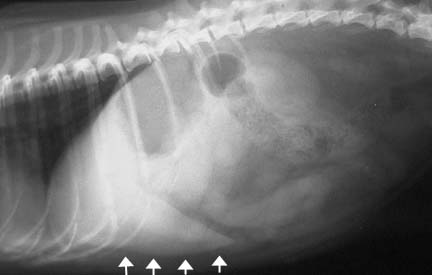
This liver is larger than normal-it is extending towards the right far beyond the margin of the ribs. The four white arrows on the bottom outline the lower edge of the wedge shaped and enlarged liver.
One of the most important disease syndromes associated with a fatty liver is called hepatic lipidosis. It occurs in overweight cats that are exposed to a stress that causes them to stop eating. This lack of appetite can become so severe that a feeding tube needs to be put in.
Keeping the blood glucose level as close to euglycemia as possible will help minimize this complication. Again, the need for periodic blood glucose monitoring along with a routine blood panel every 3-6 months become obvious.
Somogyi Effect (Insulin Induced Hyperglycemia)
Overdosing the morning dose of insulin can cause hypoglycemia. If the hypoglycemia becomes severe enough (< 60 mg/dl) the body will go through complex compensatory mechanisms to raise the blood glucose level. These mechanisms involve the liver, glucagon and epinephrine. If these mechanisms are unable to raise the blood glucose rapidly enough then the symptoms of hypoglycemia described above might occur.
When these mechanisms are able to correct the hypoglycemia they can cause the blood glucose level to go quite high later in the day and persist through the night. If the urine glucose is measured just before the morning dose the next day there will be significant glycosuria due to the previous afternoon and evenings hyperglycemia. This will cause many people to increase the insulin amount in the morning dose. This overdosing will again cause hypoglycemia some time during the day, and the cycle will repeat itself.
This problem is diagnosed by a blood glucose curve in the hospital. A cat with the Somogyi effect will have a blood glucose level that is abnormally low some time during the day. This emphasizes the need for a blood glucose curve to monitor your pet’s problem because only one blood glucose test during the day might miss the hypoglycemia episode that is causing this problem in the first place.
Insulin antagonism
Pets that are not regulated in spite of higher than normal insulin doses might have this problem. This problem can mimic improper storage, handling, and administration of insulin.
There can be many causes to insulin antagonism. Hormones, cortisone, the Somogyi effect, adrenal gland disease, infection, chronic pancreatitis, kidney disease, cancer, anti-insulin antibodies, and even ineffective insulin all could be involved. Cats that get Feline Acromegaly, an excess of growth hormone, can also get insulin resistance.
Infections
Diabetic pets are prone to infections, especially of the urinary tract. Urinary tract infections are painful, as anyone of us that have had one will testify. These infections makes them more prone to DKA and insulin antagonism. Good dental hygiene is critical also since many pets with diabetes have dental disease. Chronic dental disease can make regulation almost impossible.
If we suspect a UTI (urinary tract infection) due to a urinalysis with white blood cells or bacteria we will do what is called a culture and sensitivity with MIC (minimum inhibitory concentration). The culture tells us what bacteria is present, the the sensitivity tells us what antibiotics will work best and at what dose.
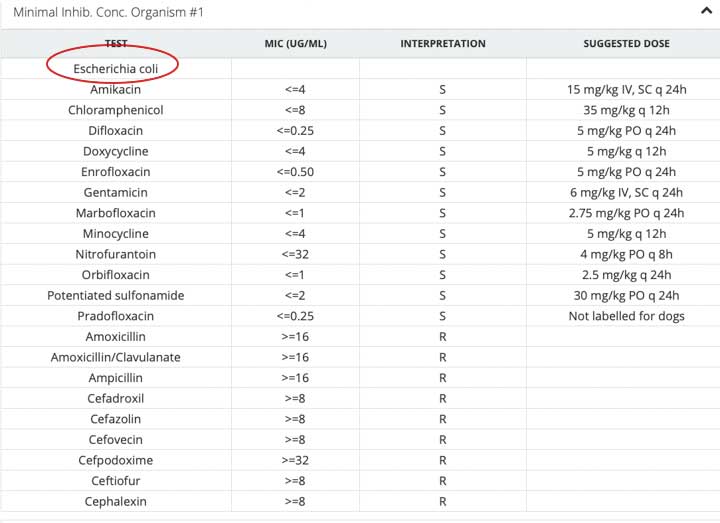
This E. coli is sensitive (S) to several antibiotics, but it is also resistant (R) to many of the other routine ones we use. This shows the importance of this culture so that we don’t use the wrong antibiotic, causing resistant organisms, undue pain for a pet with a UTI, and added cost if we need to change from our initial antibiotic.
Cataracts
Almost all dogs with diabetes mellitus will eventually develop cataracts. The earlier the diagnosis is made the greater chance your dog’s blood glucose can be regulated to stave this off. One of our doctors might refer you to a veterinary ophthalmologist because there can be inflammation associated with this called uveitis. The cataract needs to be removed in this case to prevent pain and further complications. Your dog has to be properly regulated regarding insulin levels before the ophthalmologist can do this surgery.
Boarding a Pet with Diabetes
It is always preferable to keep your diabetic pet in its normal environment. When this is not feasible special precautions need to be taken if your pet is boarded. Cats that board away from home are at an increased risk of becoming unregulated as to their correct insulin amount. They will frequently have a diminished appetite, increasing their chance of hypoglycemia if their insulin dose is not adjusted. Your cat should be boarded only at a facility that is adept at treating this disease and can run a blood glucose curve in case of a problem. One of the more common reasons we board pets at our hospital is because they need this type of medical monitoring for their problem.
A fructosamine test should be performed just prior to boarding for us to get an accurate idea of your pets average blood glucose level.
You should bring your food and your insulin to the boarding facility. A feeding schedule with amounts of food and water consumed and at what times should be provided. Also include a timetable when insulin is given and at what amount.
Since diabetic pets should be monitored with a blood glucose curve periodically this is an ideal time to run this test. Many cats will adapt to their new environment in a short time, which should make their individual blood glucose tests more reliable. When your return to pick up your pet we will review this curve with you and adjust doses as needed.
Summary
It is obvious that this is a complex disease that requires diligence on your part for proper control. Since every pet is different, your doctor will make a custom plan that will work for you and your pet, and will not necessarily follow any pre-established protocol.
Be prepared for constantly changing insulin requirements and potential complications. The more consistent you are with feeding the same food, in the same amount, at the same time(s) every day, will add to a successful outcome.
The majority of diabetic pets on insulin therapy have a significantly increased quality of life. This usually makes the time time and monetary commitment necessary for proper regulation well worth the effort.
Return to the Diseases Page.