

Introduction
Rats are prone to tumors, commonly in the mammary glands and in the uterus. These tumors can be benign or malignant. Removing them as soon as they are noted makes for a much better prognosis. Unfortunately, as you will see from some of the pictures of the rat tumors on this page, people wait way too long before they bring in their pet rat for treatment.
They are much more common in females, and usually occur in rats that are older. Rats are not long-lived creatures, and 2-3 years tends to be their lifespan.
This page has photos of an actual surgery to remove a mammary tumor. It was performed using the laser.
What is Mammary Tumors in Rats?
This is breast cancer in dogs, cats, and people. The two types we commonly encounter are:
Mammary fibroadenoma– this is a benign fibrous tumor that does not spread (or metastasize), and is the most common mammary tumor type in rats. These can be easily removed but might recur.
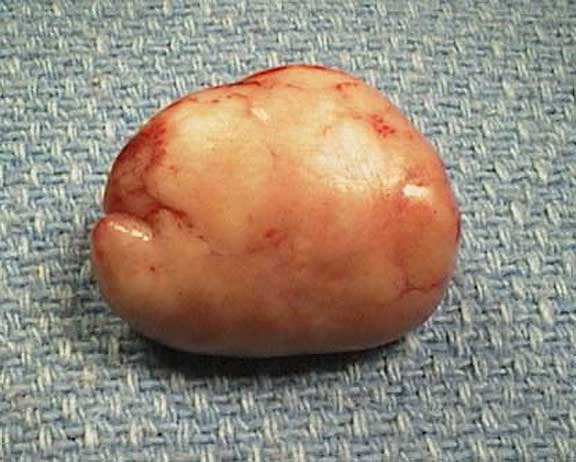
This is what a fibroadenoma looks like after surgical removal
These benign tumors can cause significant problems since they can become quite large and make up a large portion of the body mass of the rat. When this large the following complications can occur:
- The rat cannot move well
- It cannot groom
- The tumor can drag and become ulcerated and infected
(Small pet recovery support products can help during treatment and recovery)

Look closely at the bottom of this tumor and you can see the beginning stages of ulceration
It can bleed and cause a chronic anemia. Anemia can be easily overlooked, so we check for it with a simple blood test.
(Iron supplements for small animals may help support healthy blood levels)
Rats and other small animals (especially birds) have a small volume of blood, so we cannot afford to take too much blood from a small animal, and one that might already be depleted in red blood cells due to its anemia.
We have a special system set up to handle this dilemma. It is a check of what is called the HCT/TP (hematocrit / total protein). This test checks for anemia, and also gives us an indication of the rat’s physiologic status by checking the protein level in the bloodstream. We obtain a lot of information from a few drops of blood!
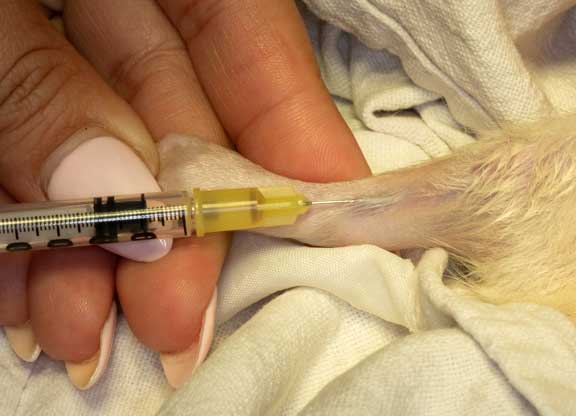
We start by taking a few drops of blood from a vein, commonly the saphenous vein
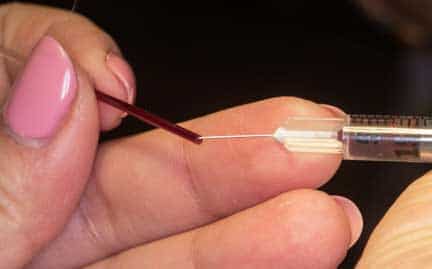
We put these few drops of blood in what is called a microhematocrit tube to check for anemia
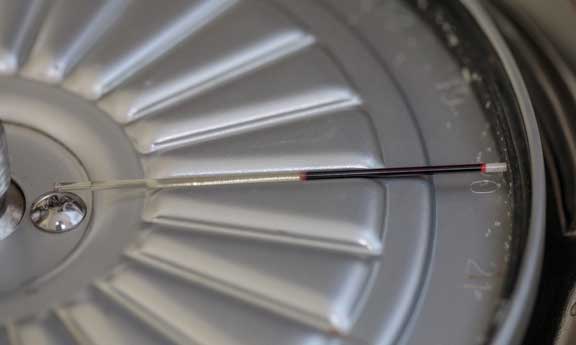
This tiny tube is put into a high speed centrifuge and spun down until the serum separates from the red blood cells
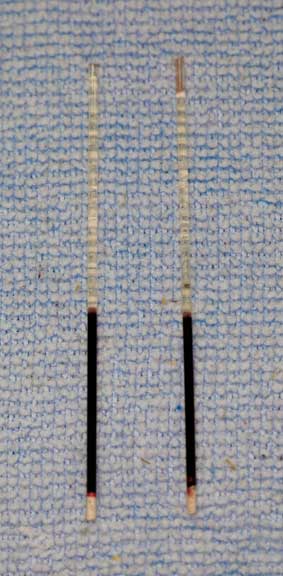
This is what it looks like after spinning for a few minutes at high speed. The serum is at the top, the red blood cells are at the bottom.
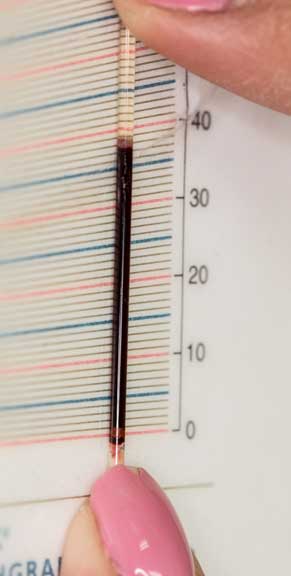
The percent of red blood cells in the tube is measured in a chart. This pet has a red blood cell count of 37%, and it is not anemic
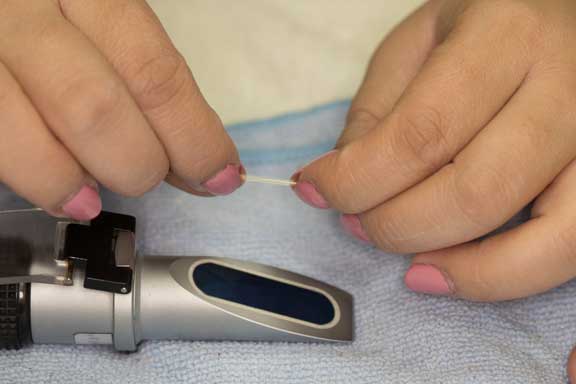
The tube is then broken between the serum and red blood cells demarcation
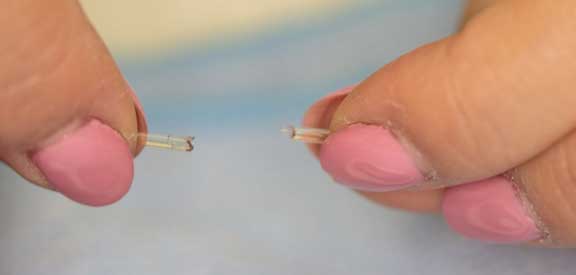
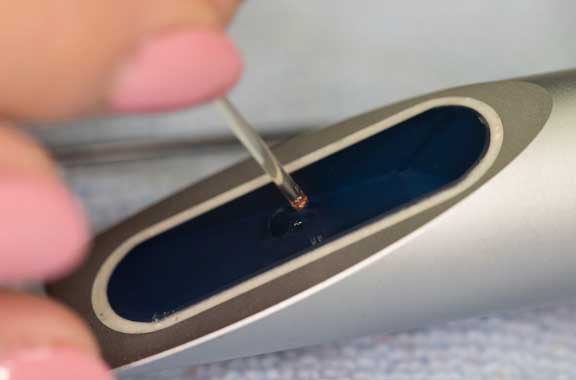
The serum is then put on an instrument called a refractometer
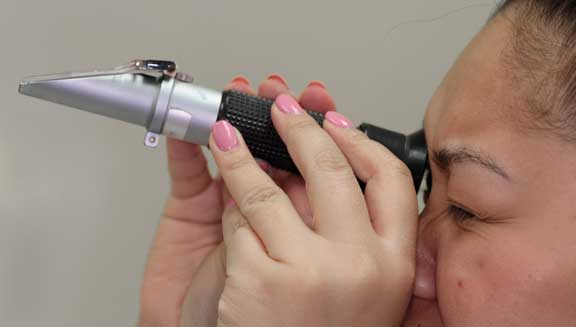
One of our staff taking a reading of the protein level with the refractometer
Mammary Adenocarcinoma- a malignant cancer from glands that metastasizes through the bloodstream and lymphatic systems to the lungs and bone. These tumors tend to be firmer and more attached to the underling tissue (called SQ or subcutaneous tissue) or underlying muscle or connective tissue.
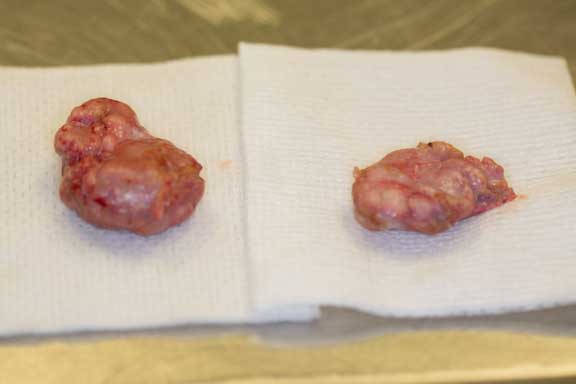
This is what an adenocarcinoma looks like after surgical removal (this rat had 2 of them removed)
Cause of Mammary Tumor in Rats
This cancer is hormone related in rats, especially estrogen after a rat stops ovulating at about 1 1/2 years of age. The nursing hormone prolactin is also involved. These hormones are under the control of the hypothalamus and pituitary glands in the brain in a negative feedback loop.
Other factors include:
- Genetics
- Environment
- Health status
- Diet- excess caloric intake can be a major fact with rats fed ad libitum (leaving the food out all of the time).
(Balanced rat food can help maintain proper nutrition)
Female and also male rats have extensive mammary tissue, starting at the chin, and going along the bottom (ventral) and sides (lateral) surfaces, all the way to the base of the tail. Male rats tend not to have nipples like females due to in-utero presence of testosterone.
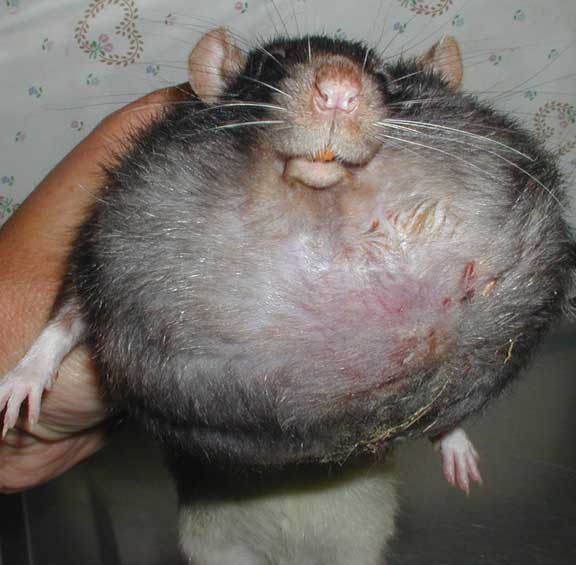
This is a severely enlarged mammary tumor under the chin
Symptoms
The main symptoms are swellings under the skin that tend to to be round and soft. The main areas of occurrence are armpits and abdomen, although they can occur anywhere this is mammary tissue (which in the rat is most everywhere)!
The main symptoms will be the mechanical interference the tumor causes as a rat attempts to move around. Large tumors, even if benign, can prevent a rat from eating properly.
The tumor itself is usually not noticed until it is large unless you check your rat often and learn how to palpate for this tumor. We can teach you how. Our In-Home Exam page shows how we teach you how to examine your pet, especially the lymph nodes.
Other symptoms include:
- Variable appetite- poor or increased
- lethargy
- Weight loss
- Inability to ambulate as the tumor enlarges
Recognizing Signs of Pain in Rats
Mild Pain
- Not grooming
- Eyes appear squinted
- Agitated or aggressive behavior
- Reluctant to walk around
- Resistance to being petted or handled
- Teeth grinding (similar to rabbits)
- Decreased appetite
More Severe Pain
- Keeping eyes closed most of the time
- Weight loss
- Depressed
- No response to stimulis
- Eating strange things (PICA)
- No appetite at all
- Hunched
- Pushing head against the cage walls
- Labored breathing
This is the appearance of a rat with labored breathing. This is called dyspnea. See if you can count its respiratory rate.
Appearance
In addition to the usual underside location of mammary tissue found in most mammals, rats have mammary tissue under the skin along the top and the sides of their bodies. If this extensive network of mammary tissue develops a tumor, the lump that is present can be found most anywhere on the trunk of the body. The following pictures show some of these locations besides the one in the neck shown above:
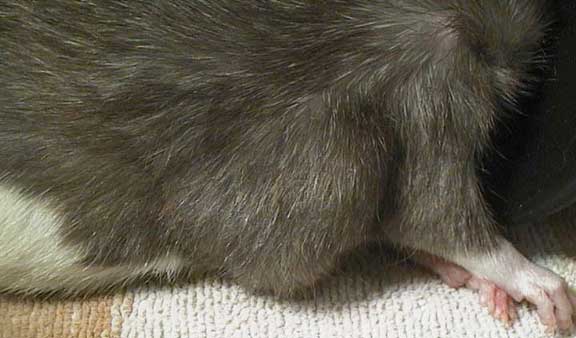
This one is on the side. At this size it is manageable, and the surgery to remove it is much easier on the rat
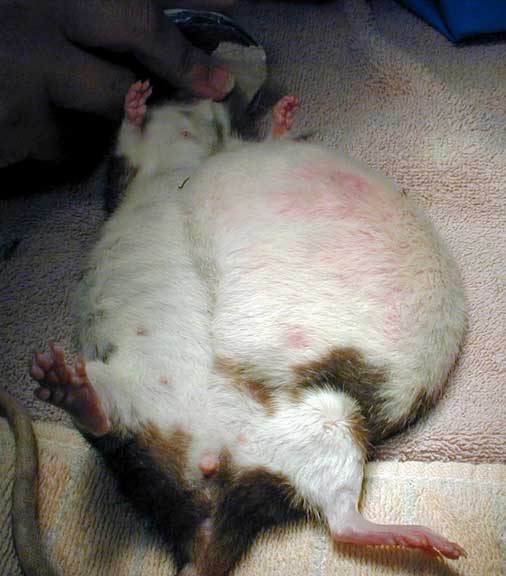
This much larger one encompasses the whole side of the rat. It is a wonder why people wait this long to bring it in for treatment.
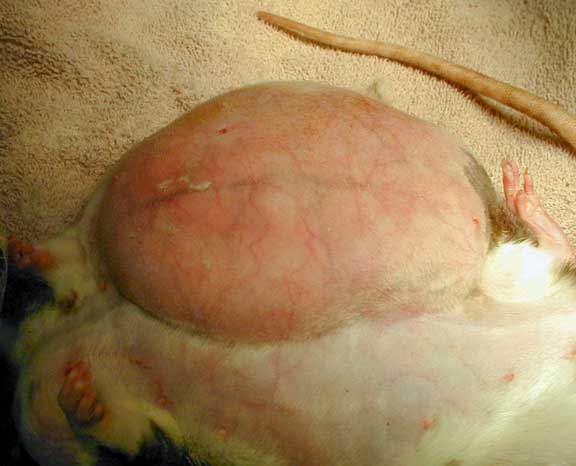
Here is another large and similar one that has been prepped for surgery


Diagnosis
This is made during a physical exam without the need for test a like blood panels (unless we suspect anemia as you learned above) and radiographs (X-rays), especially when the tumor is large as is often the case. We palpate the mammary tissue for soft, rounded, and movable masses under the skin.
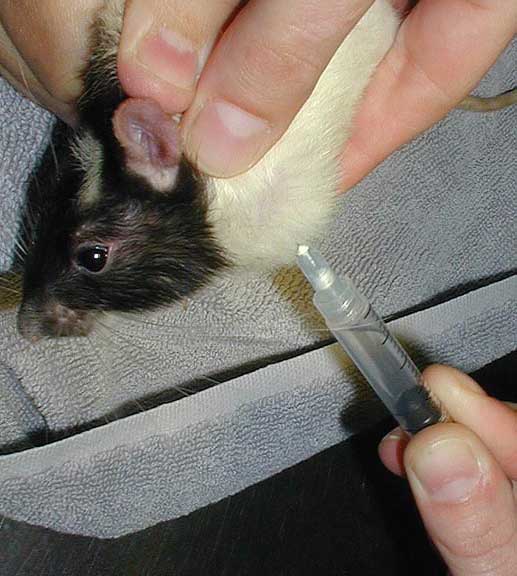
If we have any doubts that is a tumor based on our palpation we might do an aspirate and put the material on a microscope slide to assess
Treatment Options of Rat Mammary Cancer
Hormone therapy, chemotherapy, and radiation therapy are not commonly used for treatment. In most cases the treatment is surgical. Early removal of the tumor, even if malignant, can prolong a rat’s life.
Anesthesia
We are very adept at anesthetizing small animals like rats.
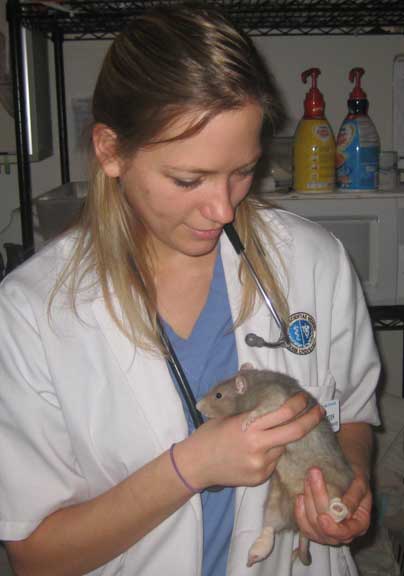
We start with a physical examination
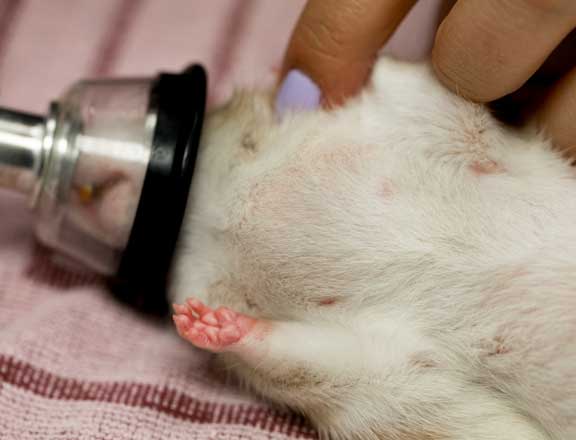
We administer the gas anesthesia with 100% oxygen for a high margin of safety
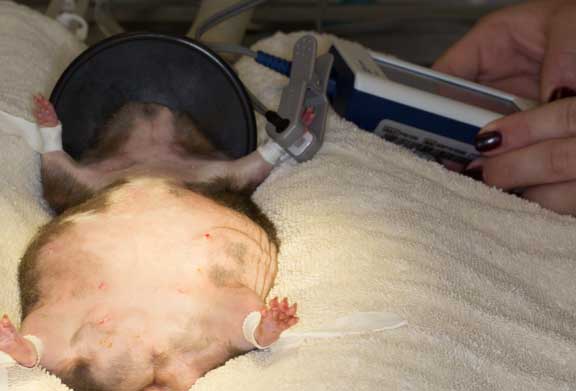
You can see the pulse oximeter (Pulse Ox) in the top right of the photo. The sensor for the Pulse Ox can be seen on this rats left front leg right in front of the Pulse Ox.
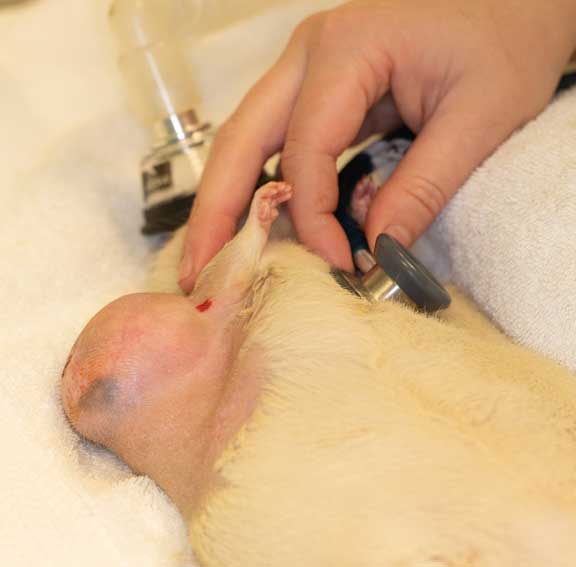
We also keep a hands-on approach, and listen to their hearts with the stethoscope in addition to the pulse oximeter when they are anesthetized like this rat that is prepped for surgery
If you would like to learn much more about how we anesthetize a wide variety of animals follow this link.
Surgical Intervention- Laser Mammary Surgery
We prefer to use the laser due to its minimal blood loss during surgery (especially important if they are anemic) and pain control it provides after the surgery. To learn more about the use of laser in surgery follow this link.
We do not fast rats prior to surgery since they do not vomit (same with rabbits).
It is not uncommon to perform a spay on a rat with a mammary tumor, especially if it is a young rat.

The rat prepped, draped and ready for surgery

The initial skin incision with no bleeding

The encapsulated tumor being removed. Note the lack of bleeding as the tumor is dissected out.

The appearance of the surgical site, sans tumor, prior to suturing the skin
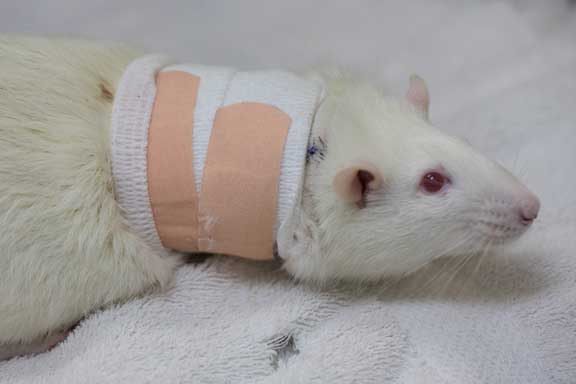
A bandage after surgery helps in pain control and also to prevent the rat from chewing at the incision
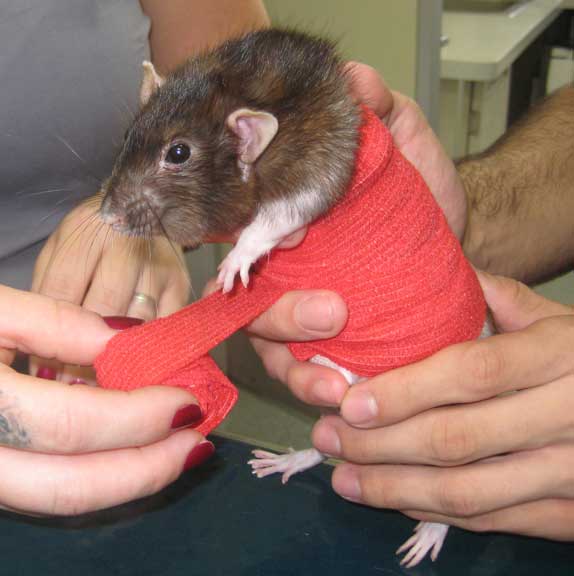
For those rats with the large tumors you saw earlier in the page we put on a more extensive bandage
Post Operative Care
We use injectable pain control during and after surgery, and will typically send you home with a NSAID named Metacam (meloxicam) that is routinely used for pain in smaller animals. The use of the laser goes a long way towards proper post operative pain control.
Medical Therapy
On older rats that might not be goos surgical candidates the use of Tamoxifen might help if the tumor is hormone dependent. Medication that inhibits prolactin secretion for benign tumors might help prevent the recurrent of the tumor after surgical removal.
Prevention
The most important prevention measure is close observation of your rate and not to overfeed it.
Return to Rat Diseases Page.